Fishing is the heart of Charter, and it’s the part of the game that has been rebuilt the most. I worked on it in small standalone builds, usually one idea per build, so an idea could be tried quickly and thrown away if it didn’t work. There are more than fifty of them now. This is how they got from the first prototype to what’s in the game today.
A minigame with a rod attached
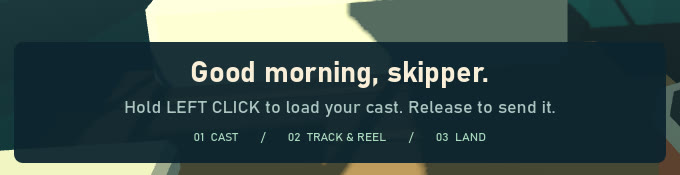
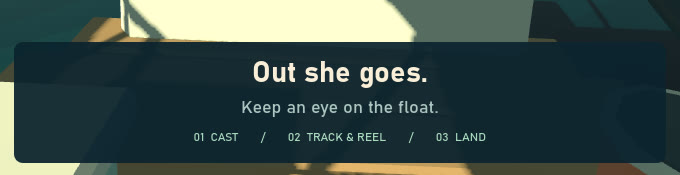
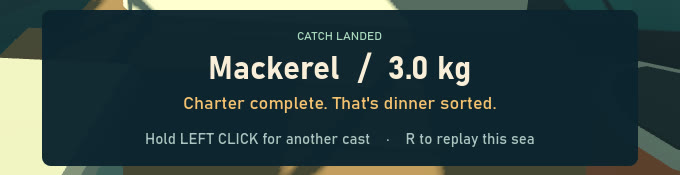
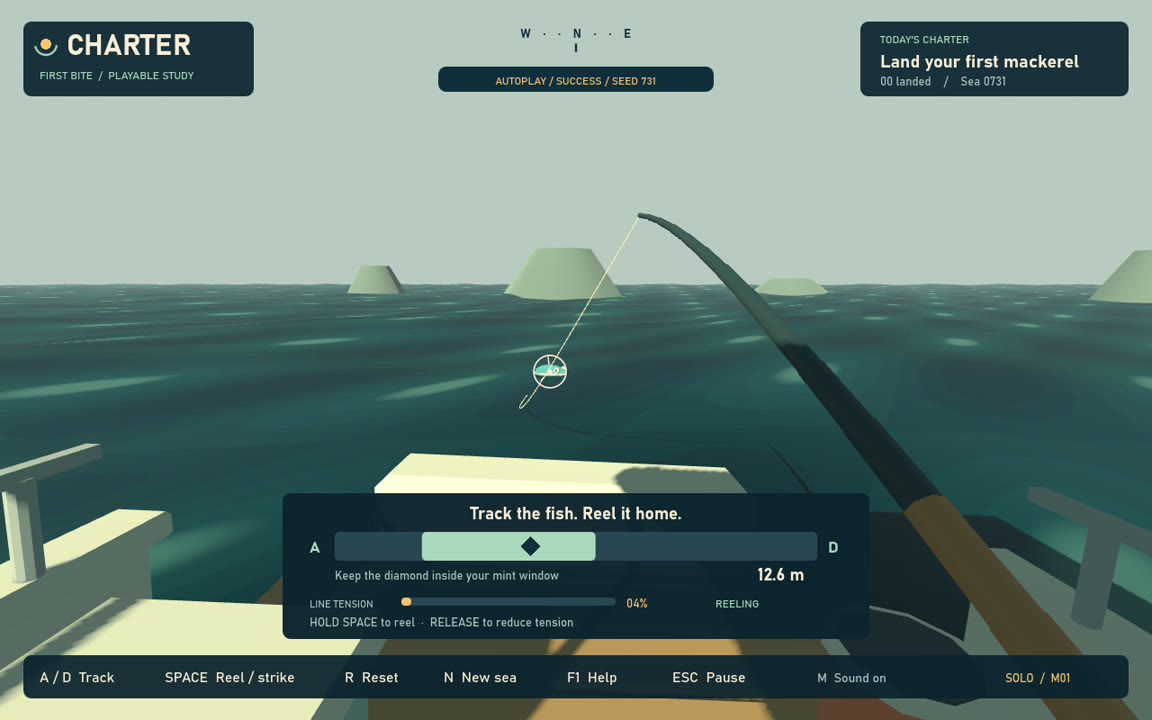
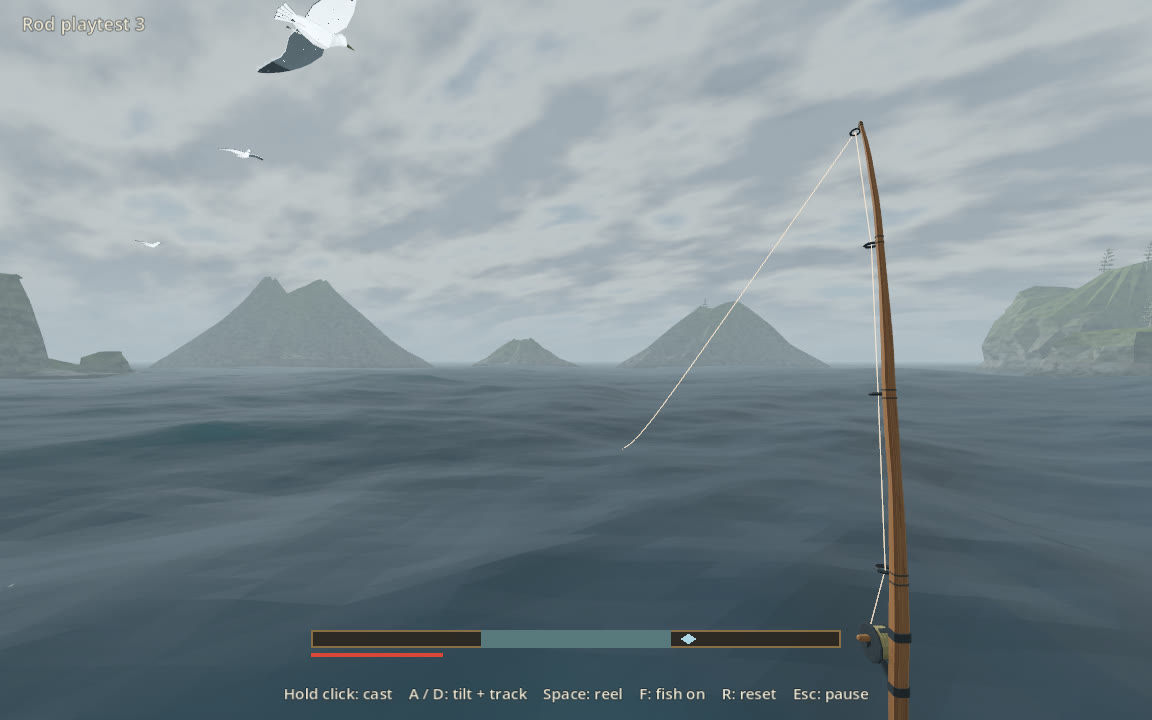
The first version was built around a bar at the bottom of the screen. You steered a window along it with A and D to stay over the fish and held Space to reel, and the rod, float and line moved to match what the bar was doing. The rules were solid enough that a lot of them are still underneath the current fishing, but everything you actually looked at was interface. Every step of a catch had its own panel, and every panel had something to say, which is why the interface was the first thing to go.

Hands on the rod
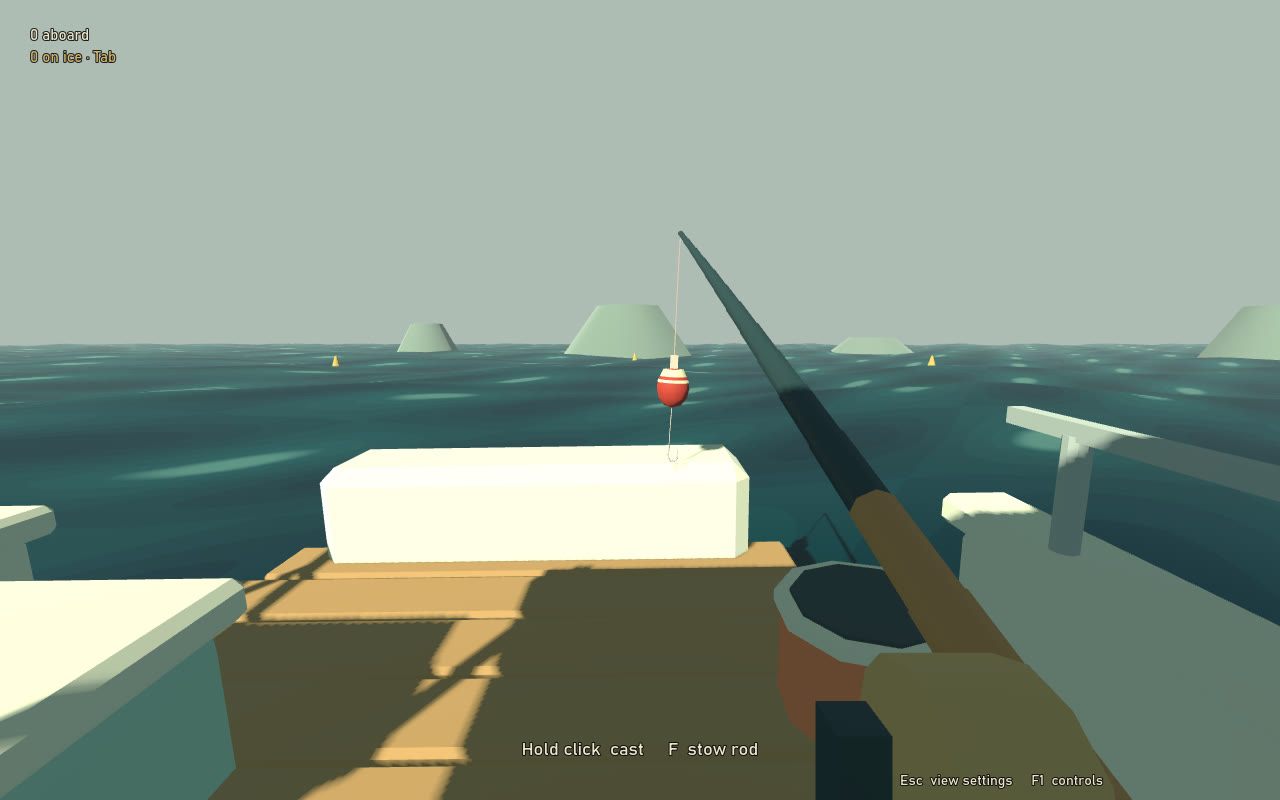
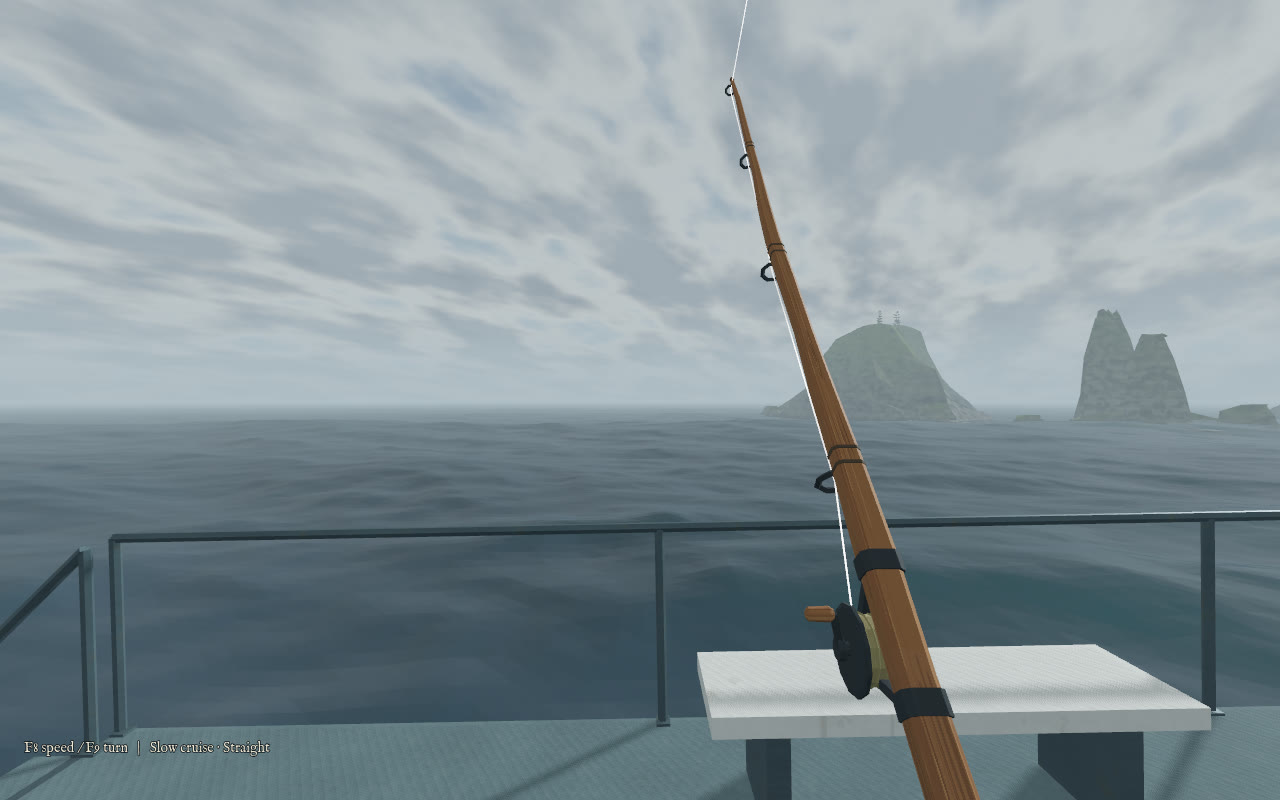
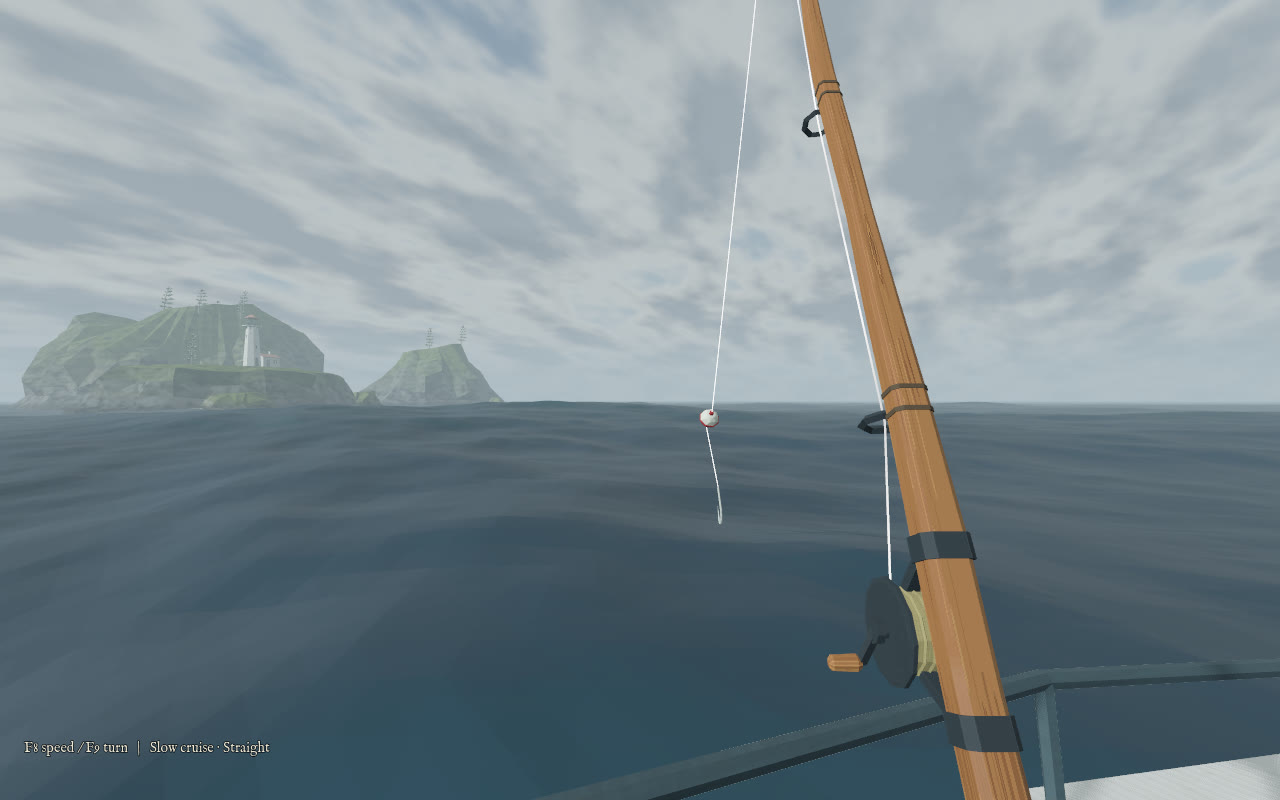
When fishing moved into the main game alongside the shared boat, the rod became something you held, with a gloved hand on the grip in first person. The float and hook hung from the tip on their own little pendulums and swung when you moved, the line stopped bunching up into loops when you reeled quickly, and the rod flexed with the fish’s actual weight instead of a number from the rules. A casting pass gave the hand a proper closed grip and the cast a backswing and forward stroke.
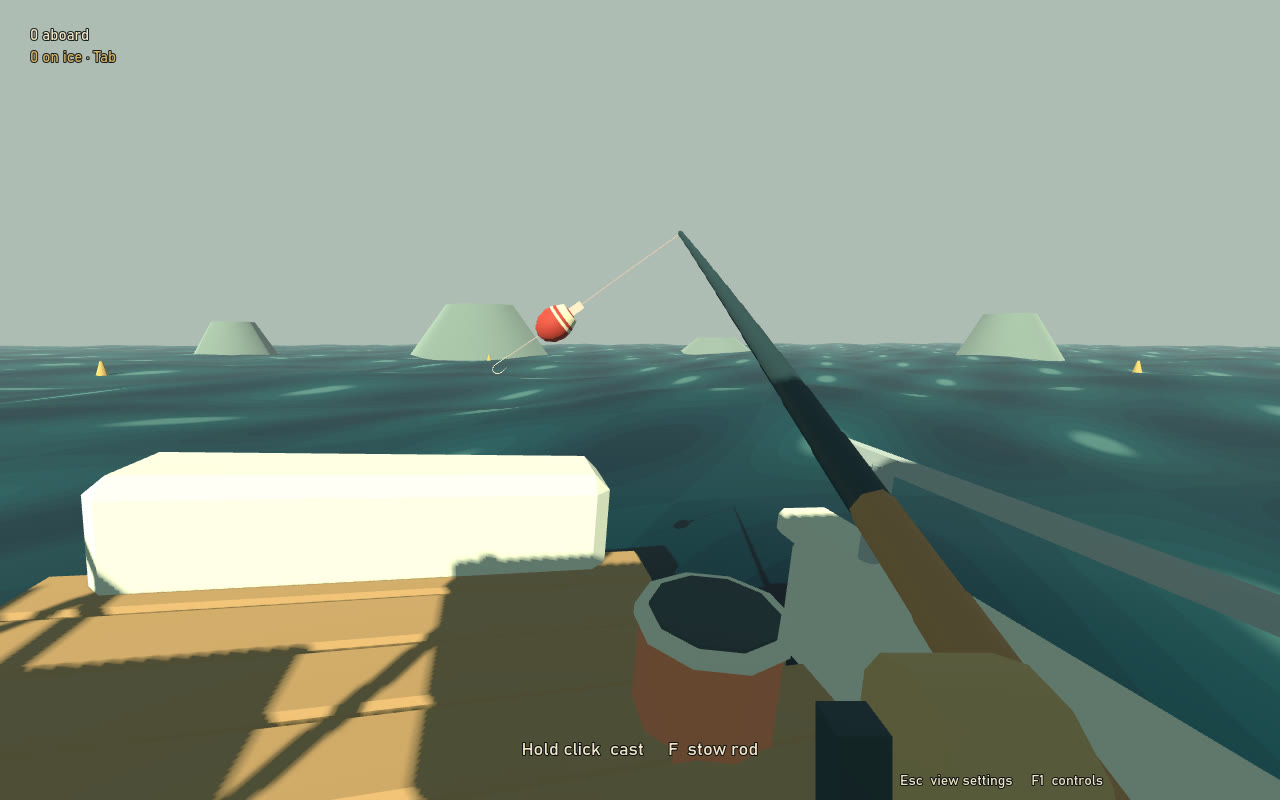
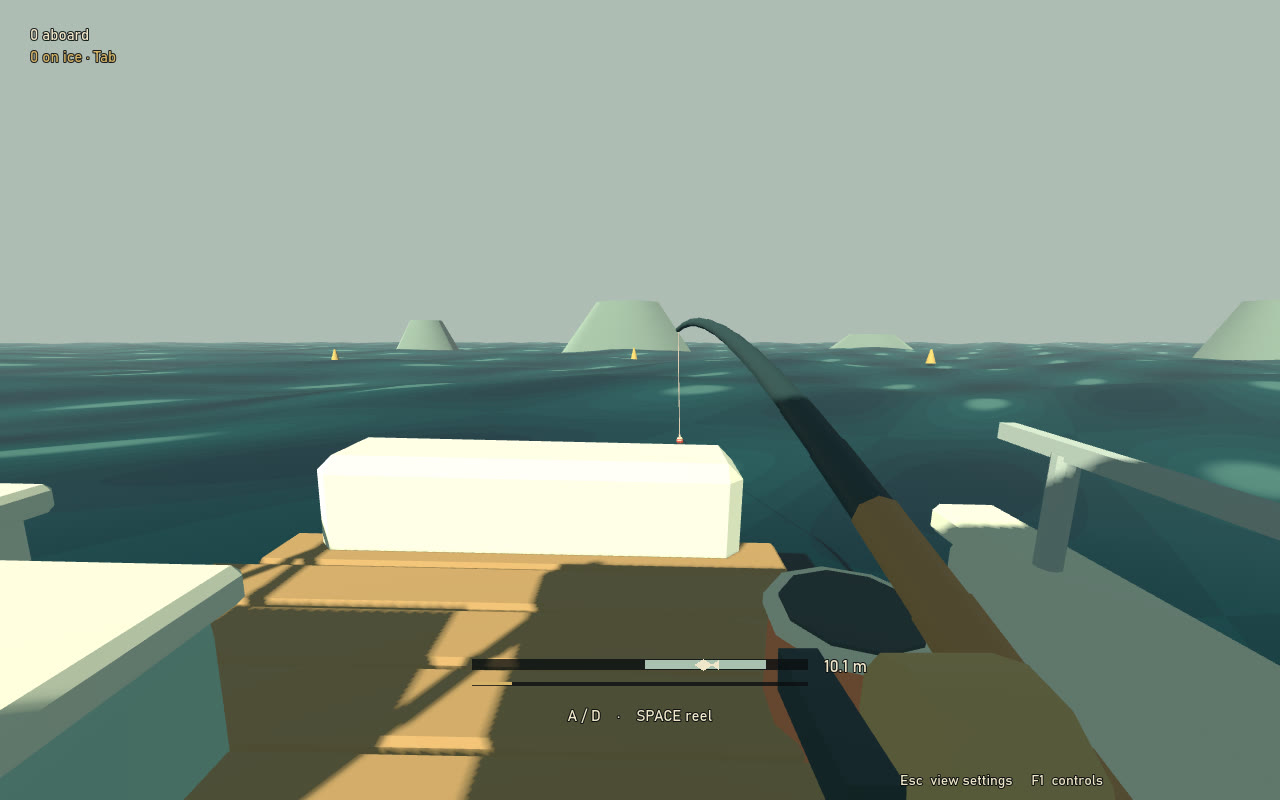
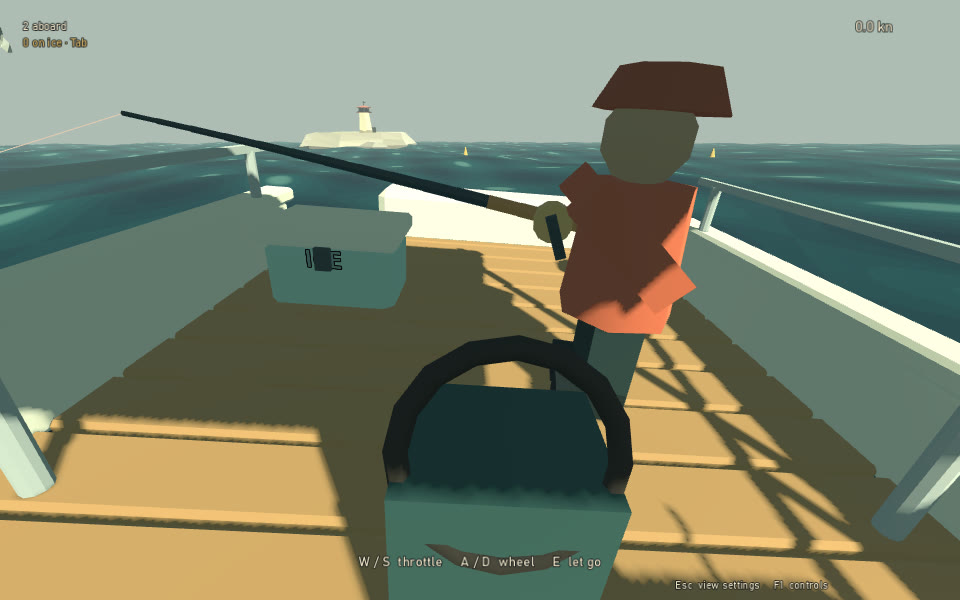
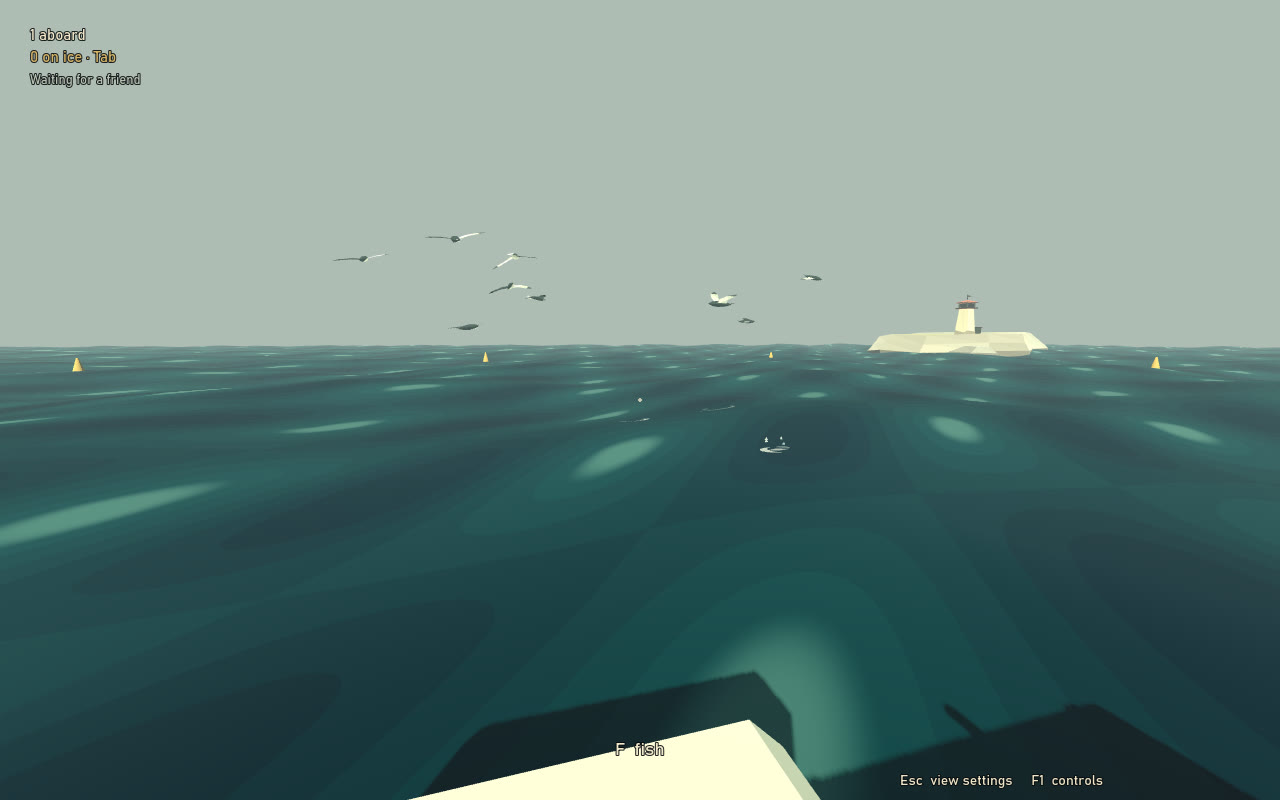
This was also when there started to be somewhere worth fishing. The coast got two fishing grounds and a shoal that drifts slowly between them, given away by disturbed water and birds working the surface. Steering over to them and putting your bait in the right place makes bites come more often, but you can still catch fish anywhere if you’d rather sit quietly.
Starting over with just the rod
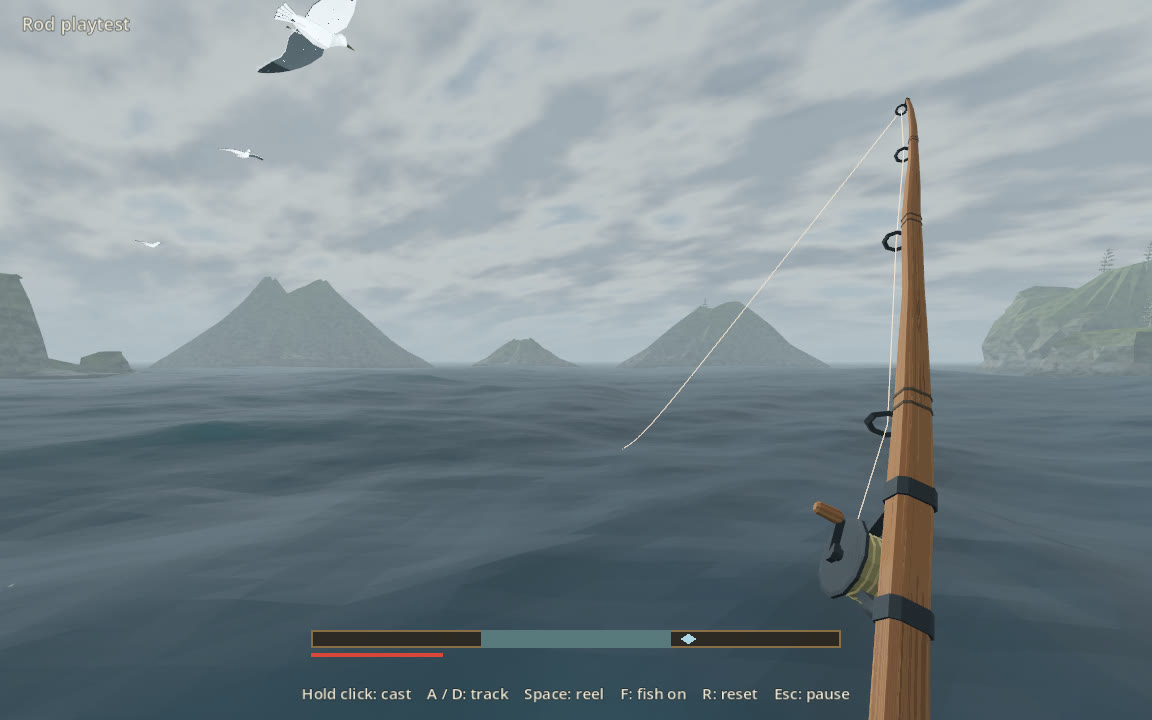
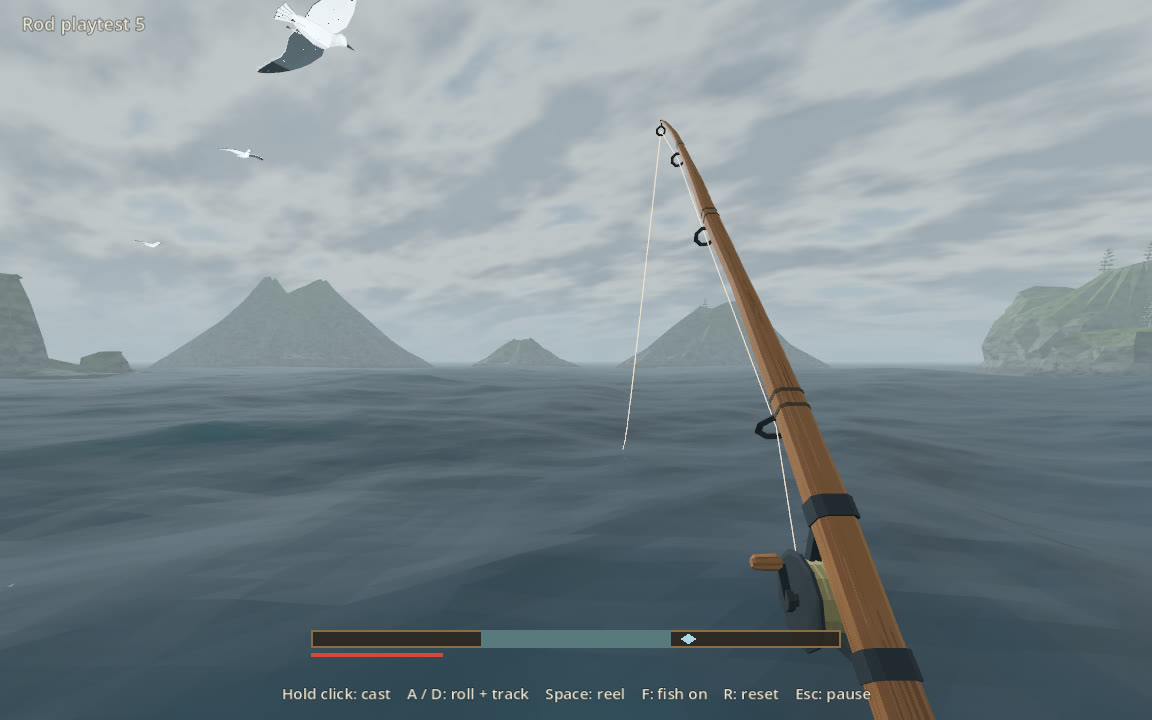
Next, fishing moved out into a bare test scene with nothing but the rod and the view, and went back to the beginning. The first few builds were almost entirely about where the rod sits. It started upright on the right, still looked tilted even when it technically wasn’t, got stood properly vertical, and then moved down and close in the lower right with the reel near your hand. A and D stopped tilting the rod and started rolling it around its own shaft instead.
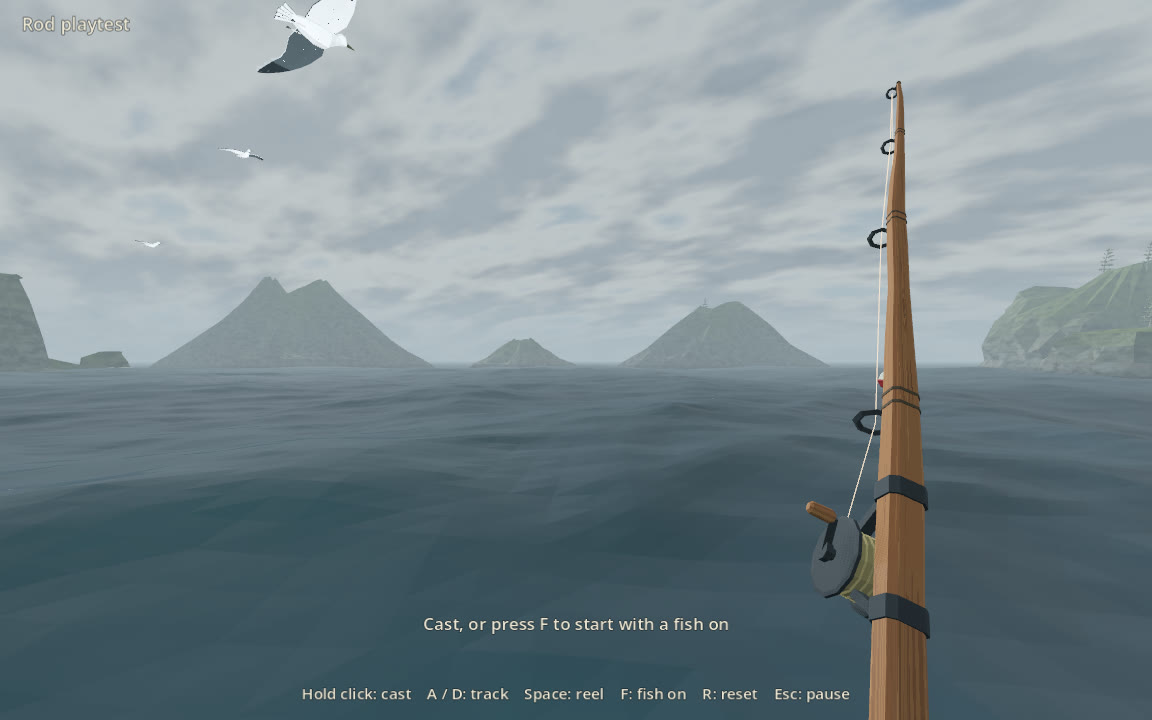
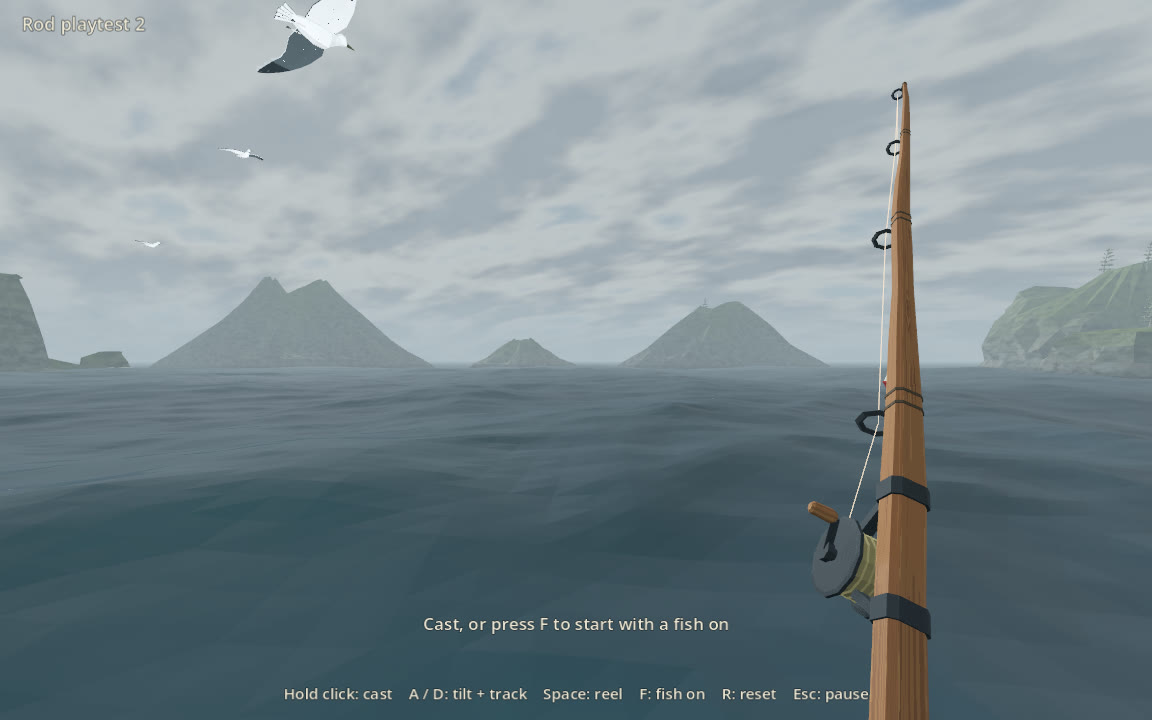
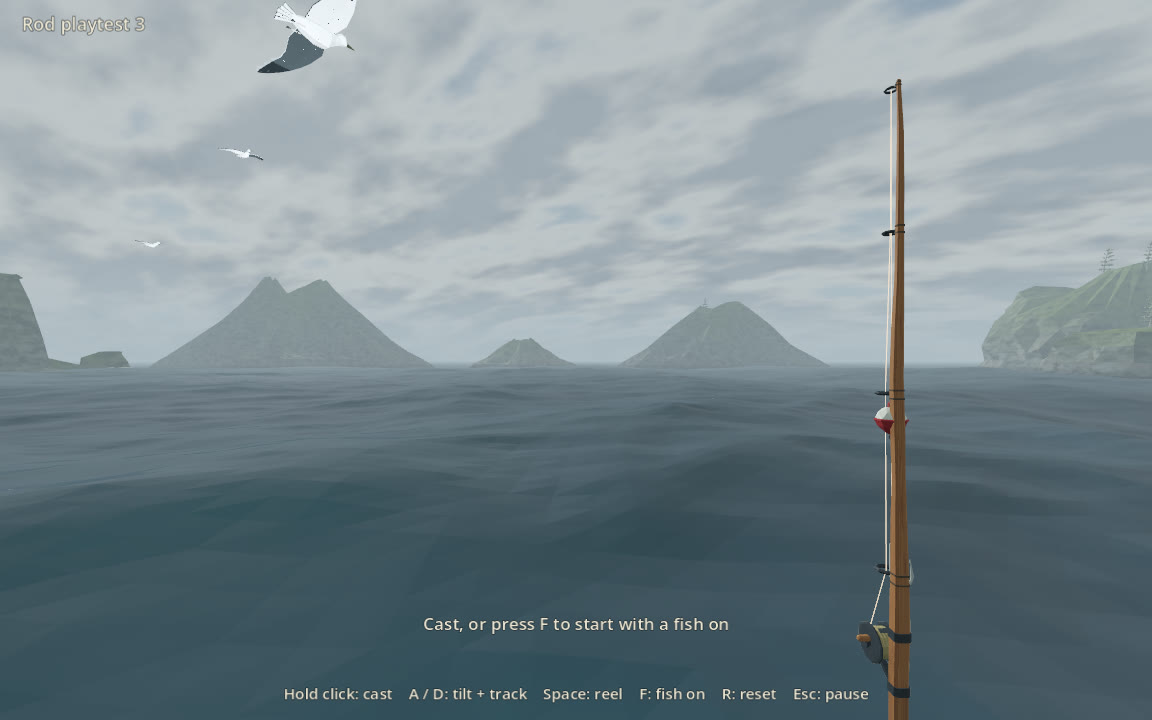
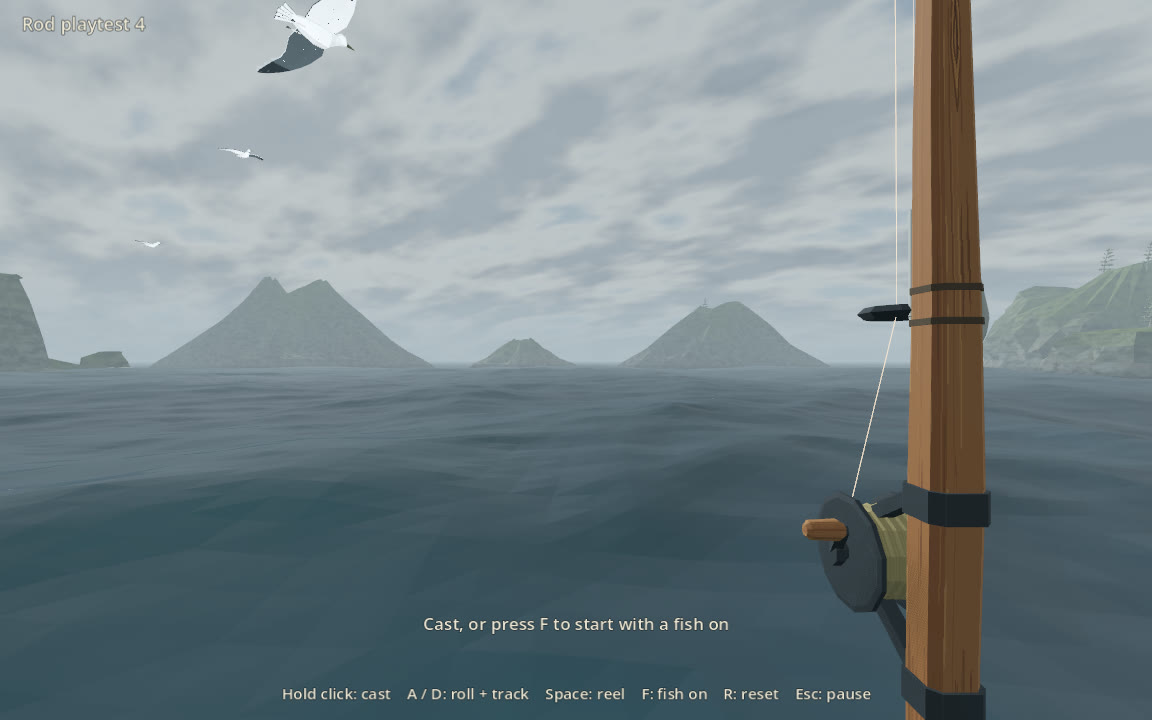
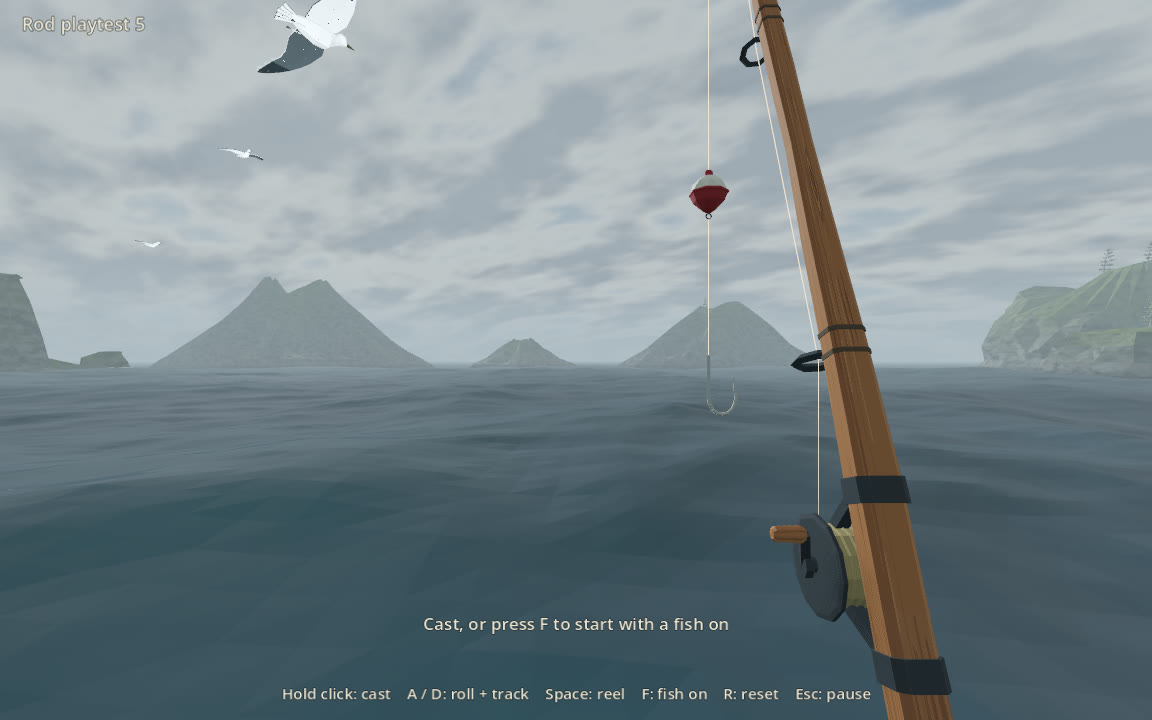
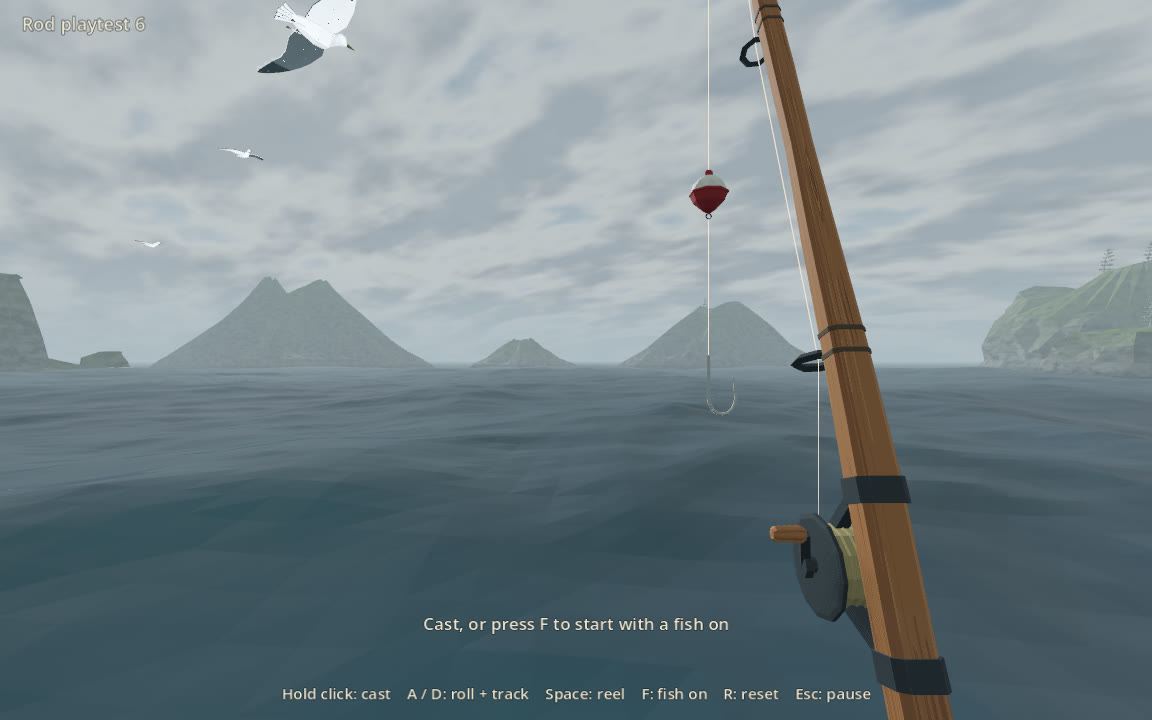
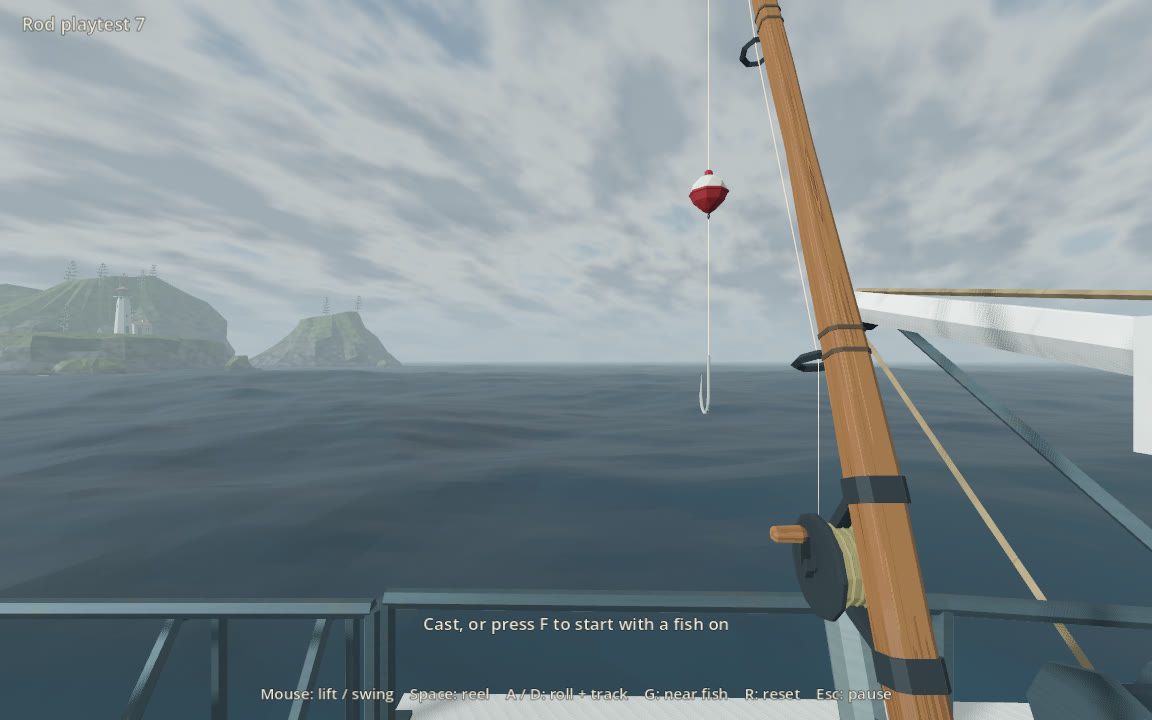
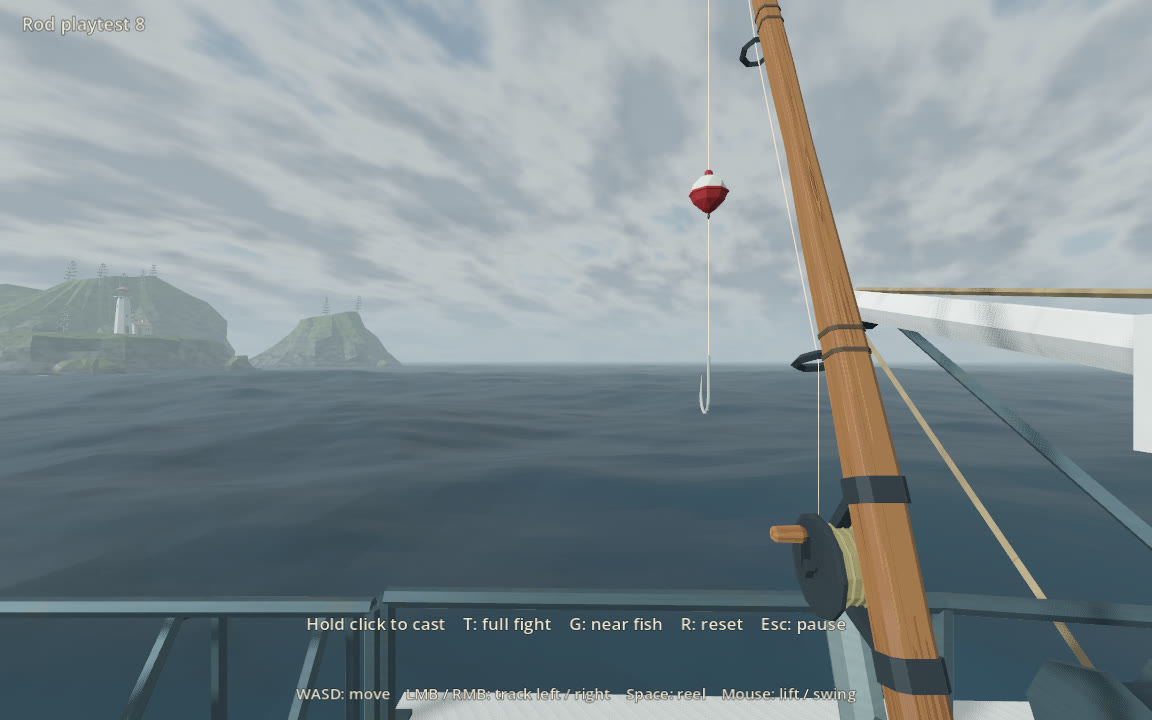
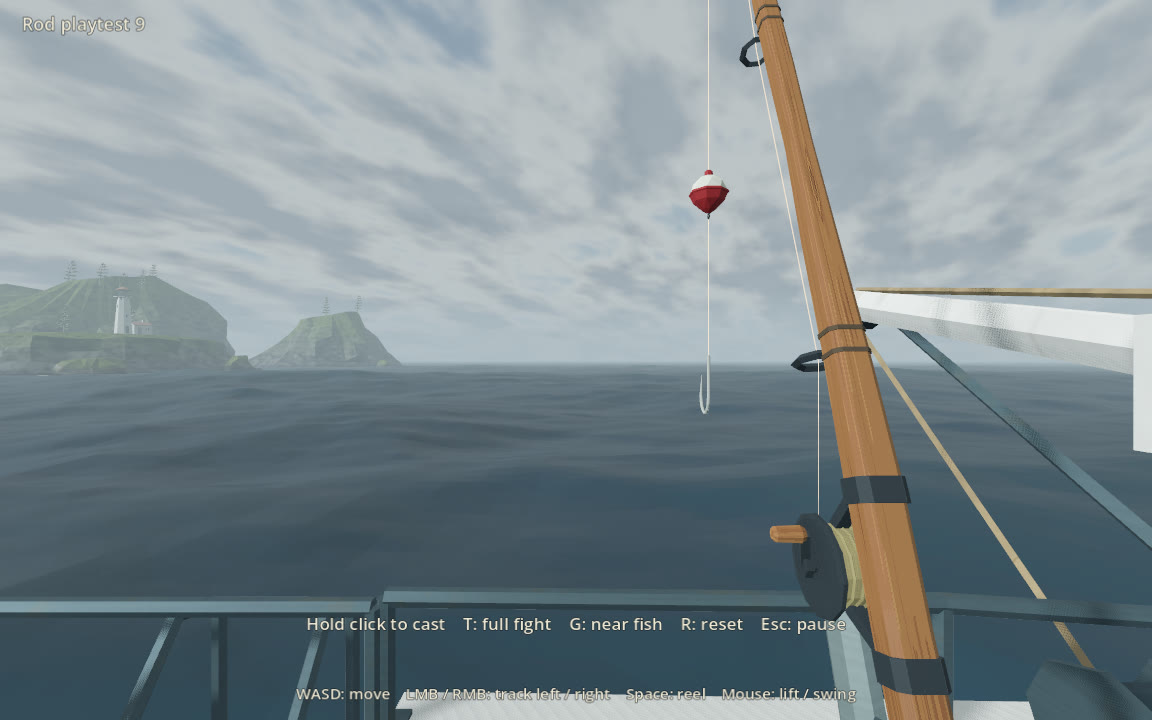
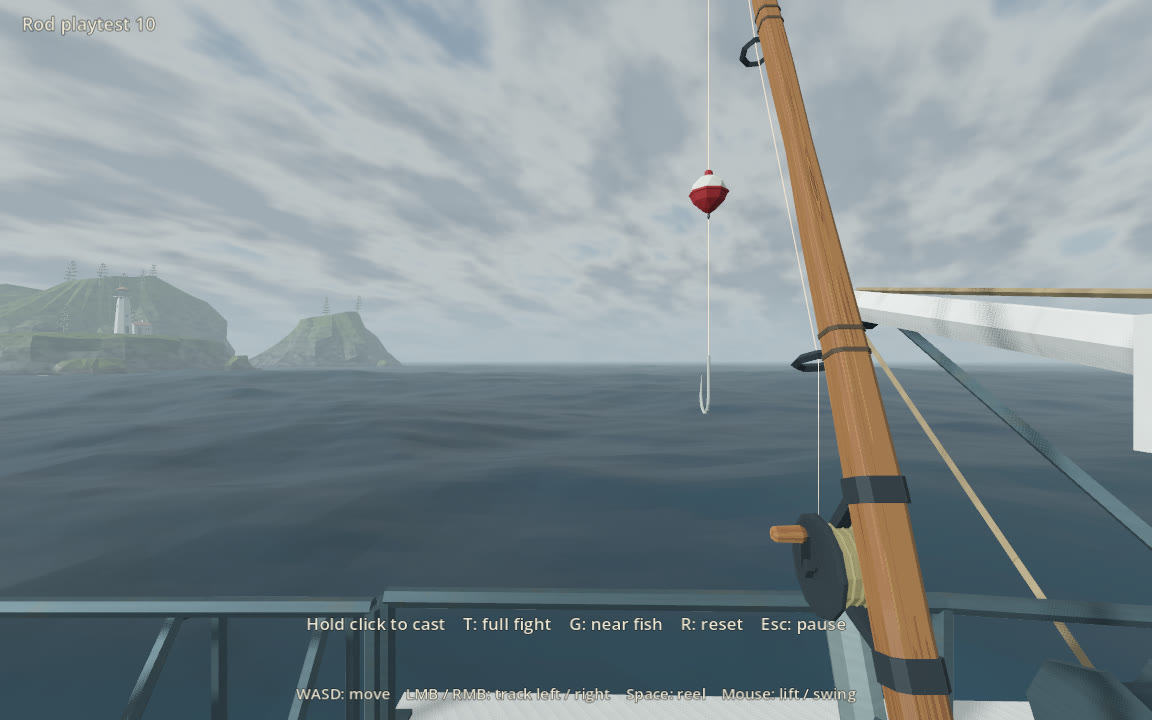
The line took a wrong turn on the way. In one version, a hooked fish pulled the line through the float’s two eyelets, so it bent at the float like a hinge. That isn’t how a float behaves once something is pulling hard on the hook, and the next version corrected it: the line runs nearly straight from the rod tip to the hook, the float just rides along it, and a strong fish can drag it under.
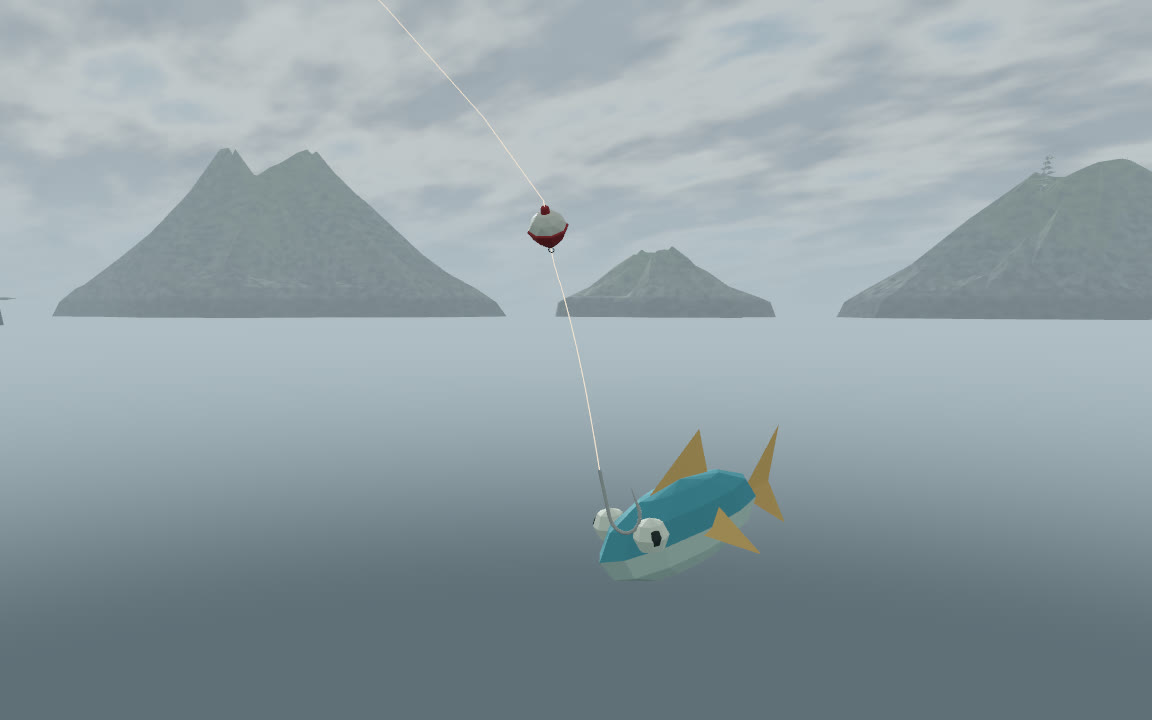
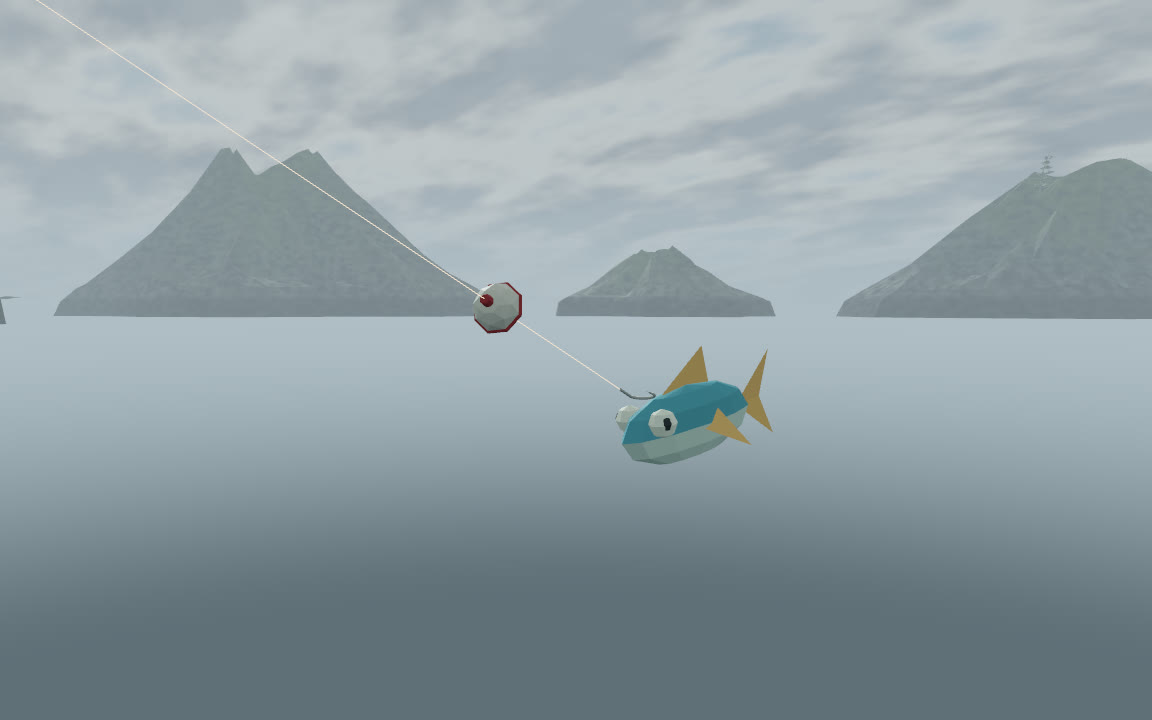
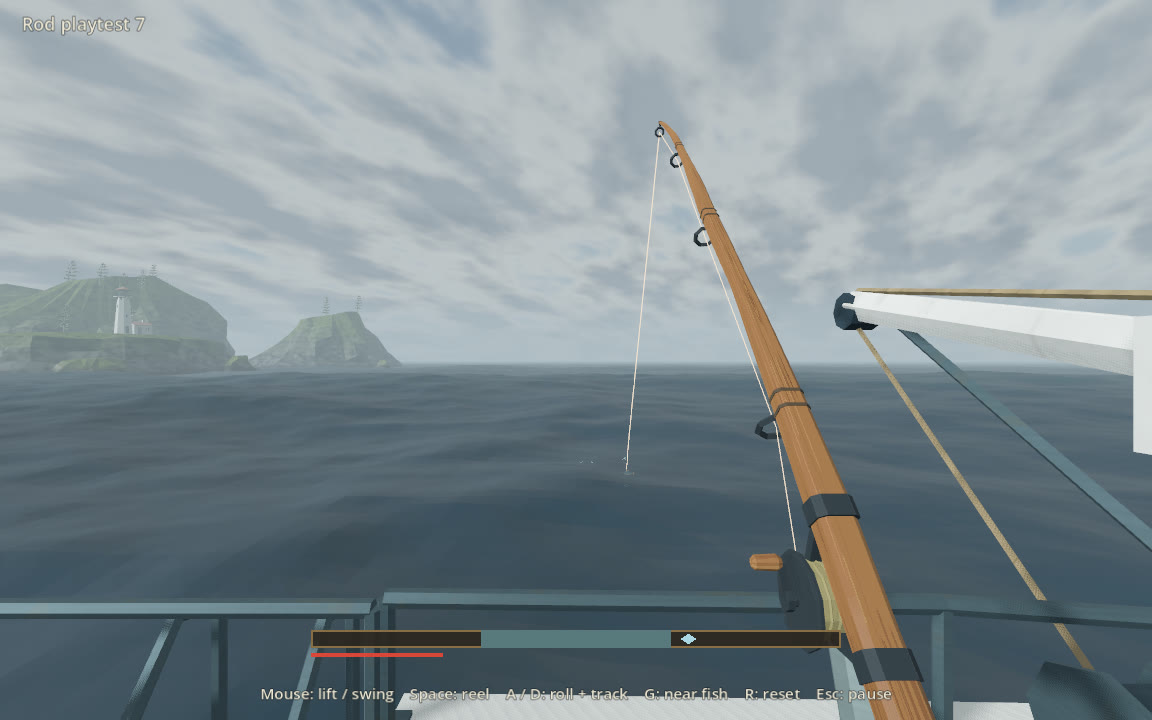
Then the fight stopped ending at the bar. In the seventh playtest the fish stays on the hook once you’ve worn it out, and you bring it in yourself: reel it close, lift it out of the water with the mouse, turn toward the deck and lower it down, and only then unhook it. That’s still how every catch ends.
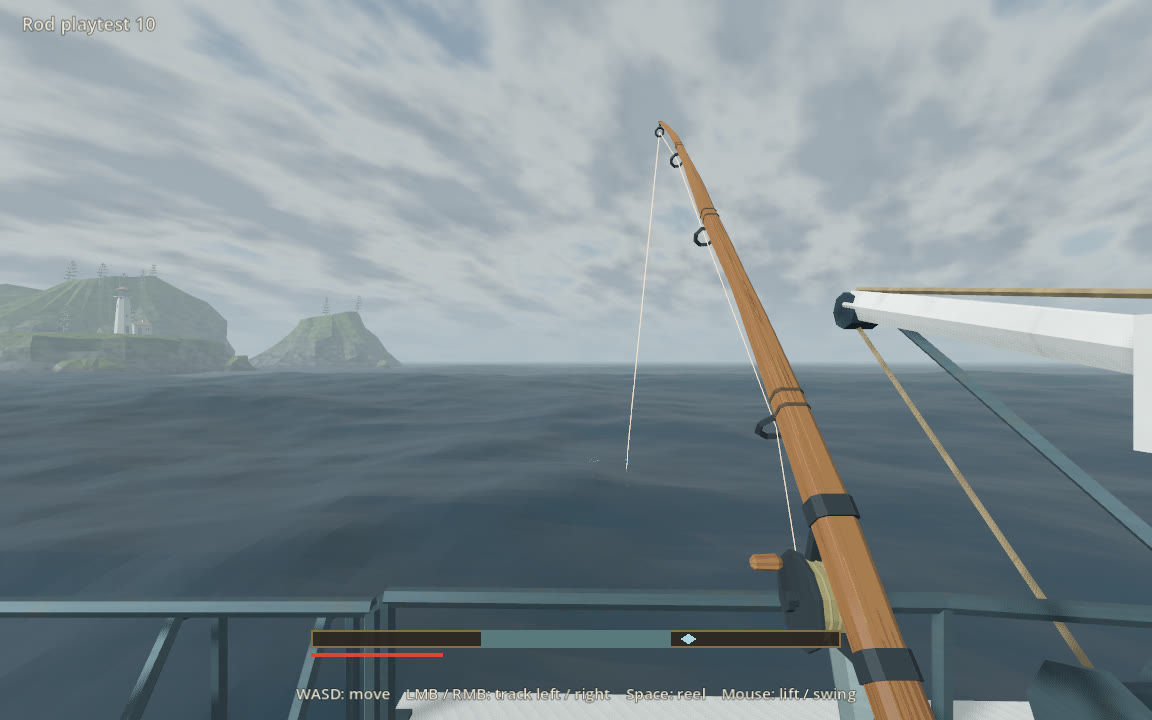
After that came walking around while you fish, with tracking moved onto the mouse buttons so your movement keys stay free, then the proper mackerel model with its swimming animations and breathing gills, and finally a fish that swings and twists on the line as it struggles. The tenth playtest was the one that went back into the main game.
The meter
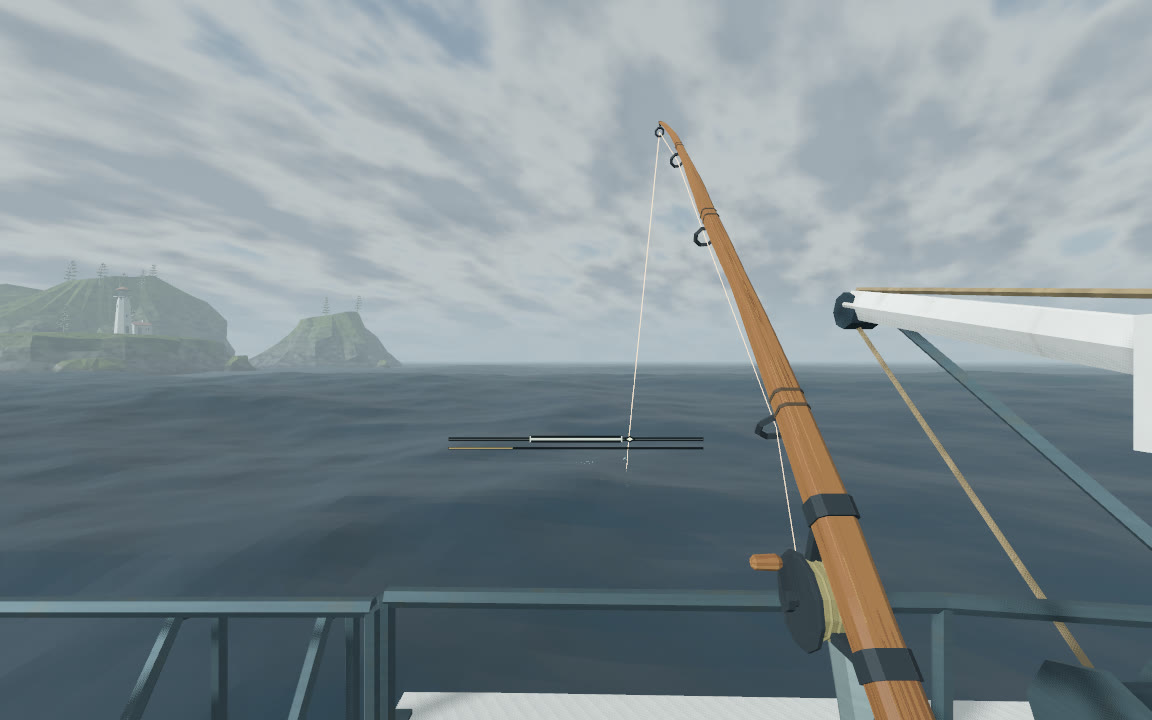
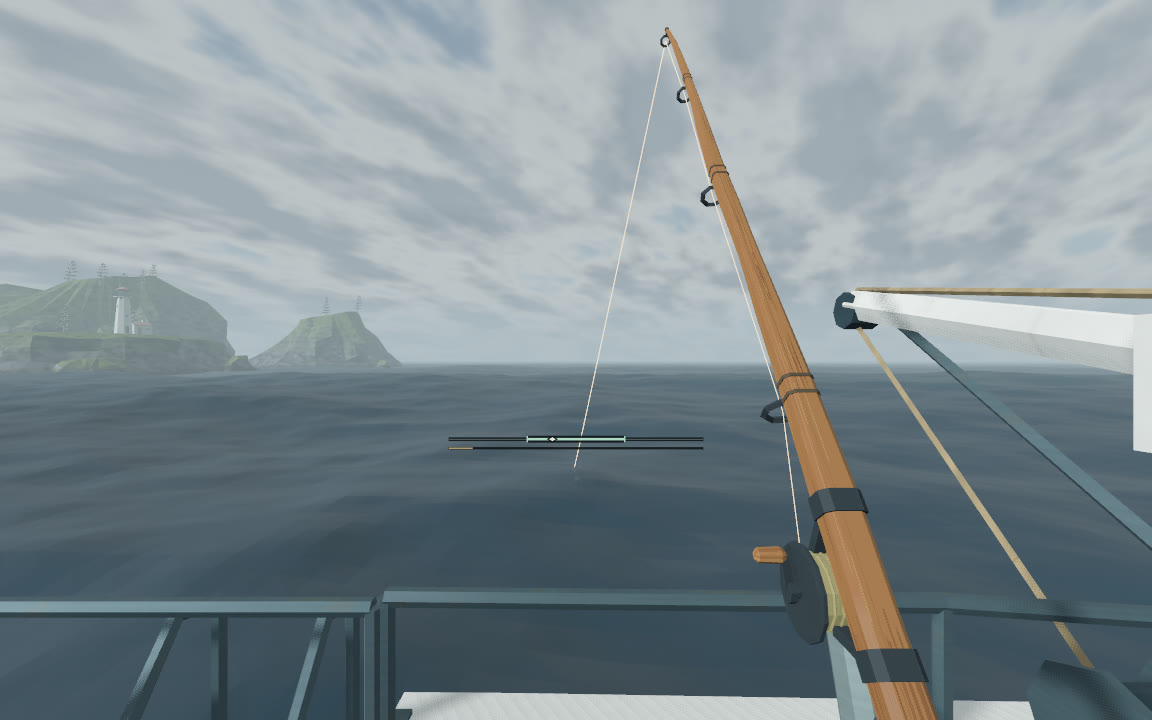
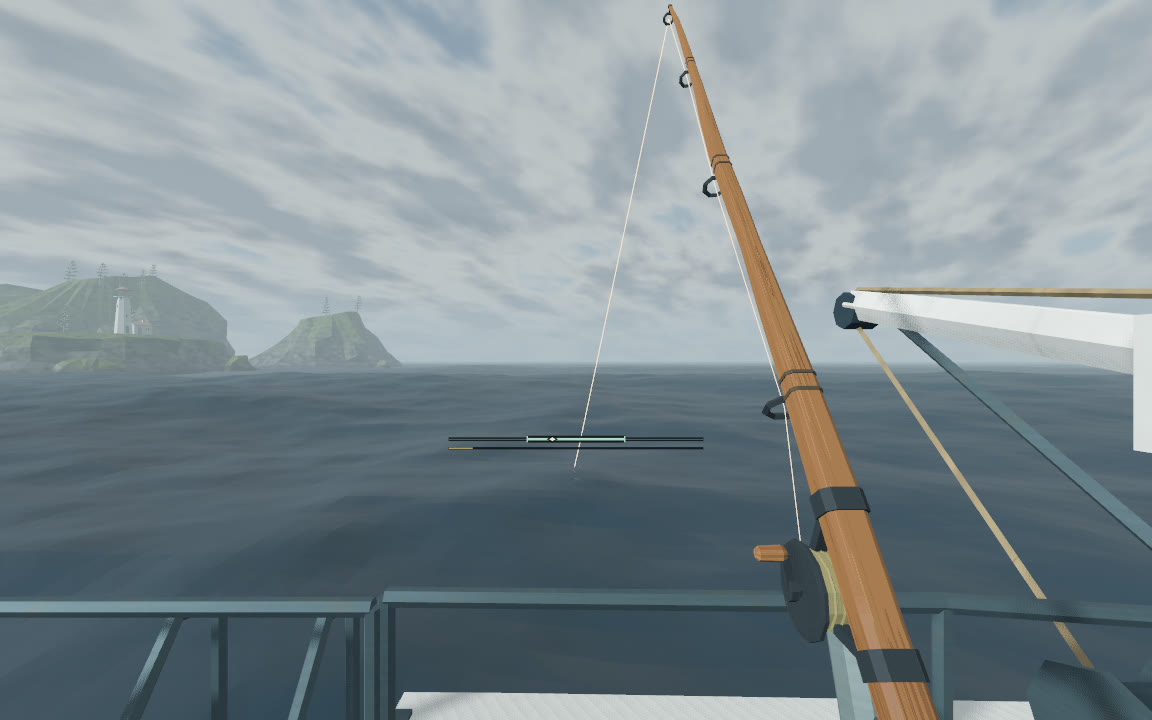
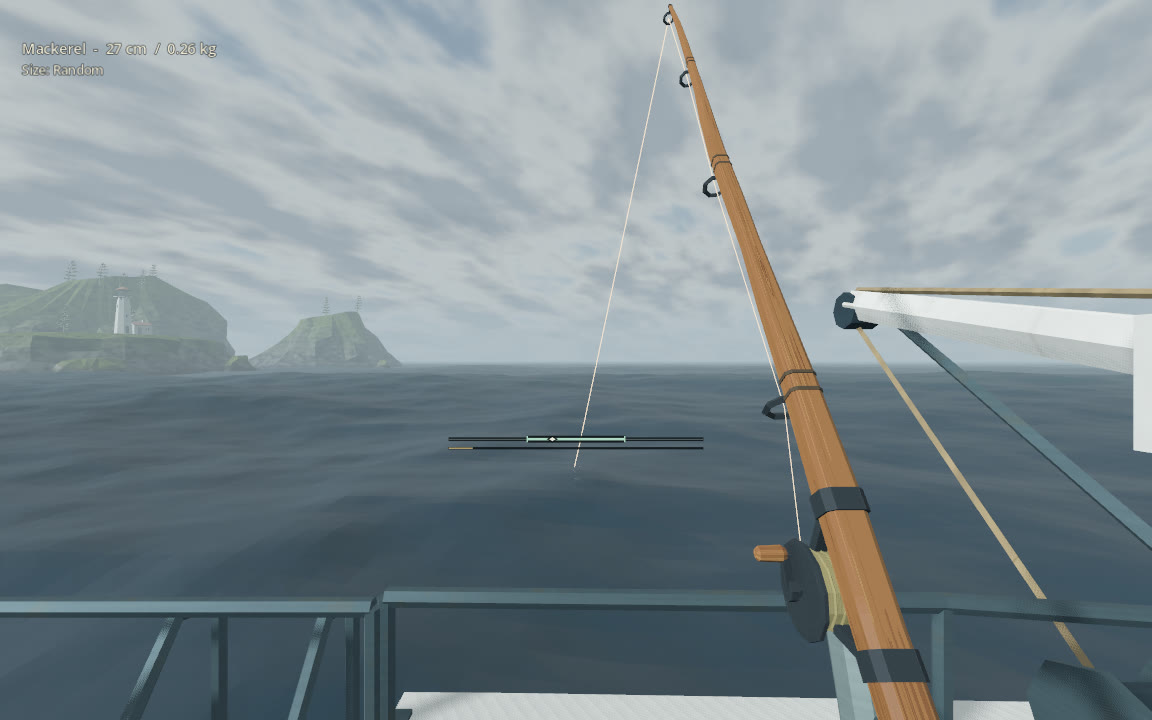
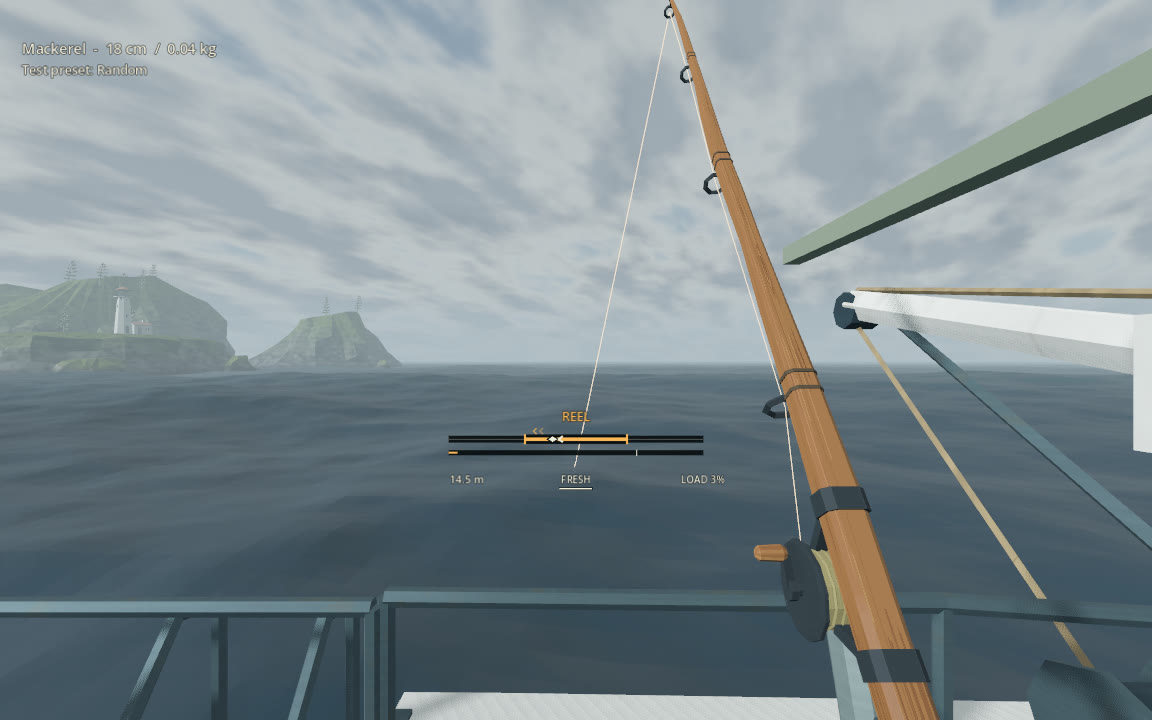
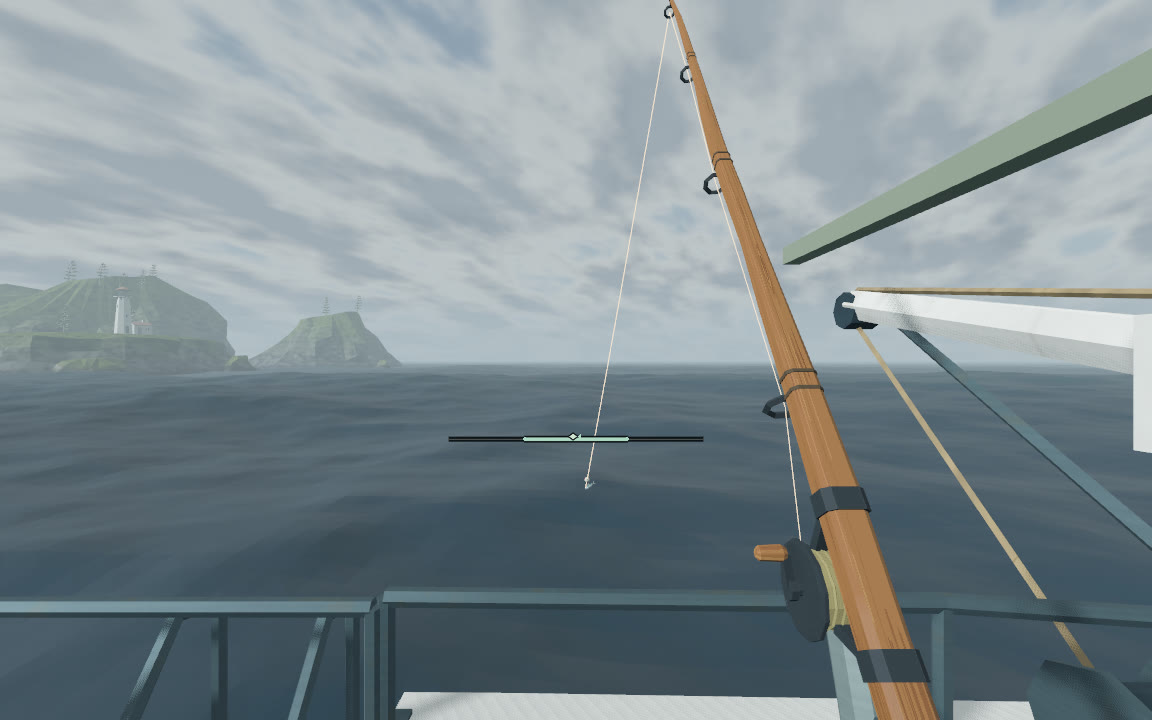
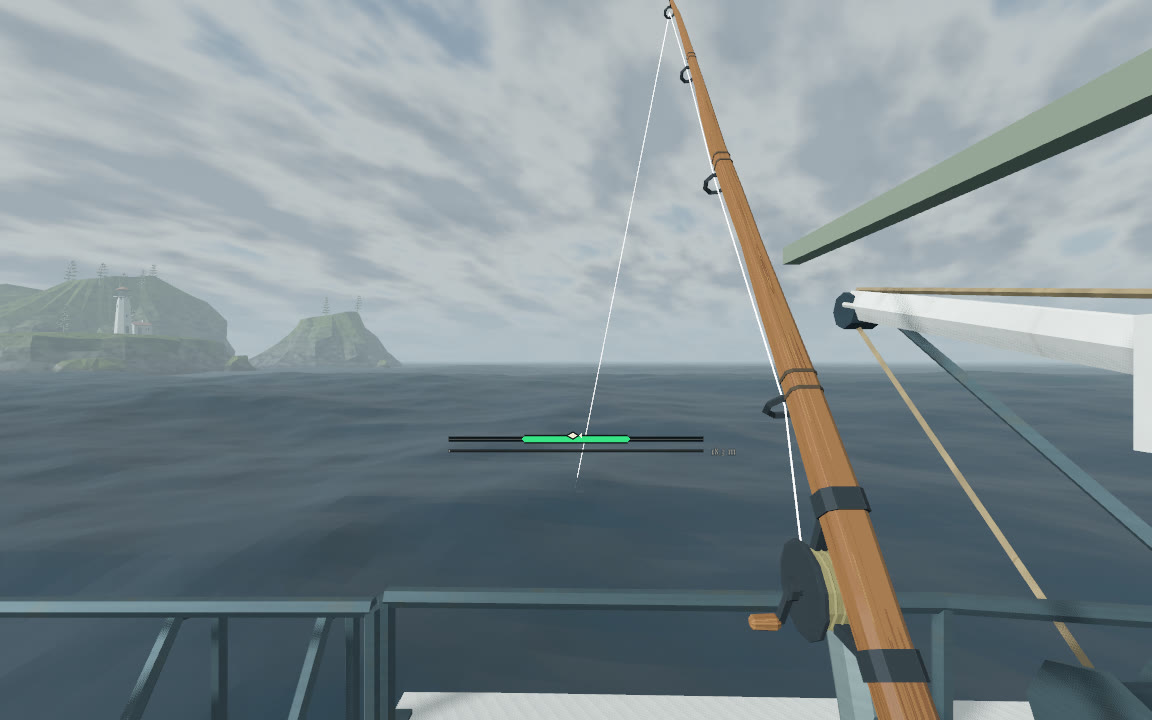
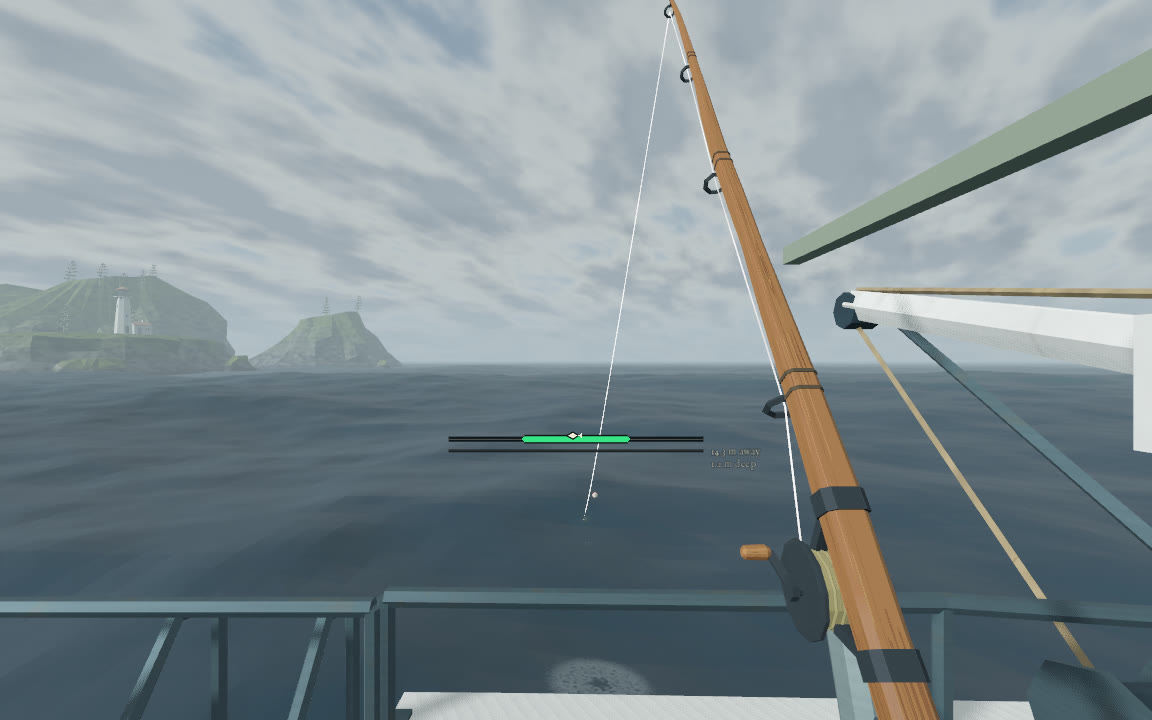
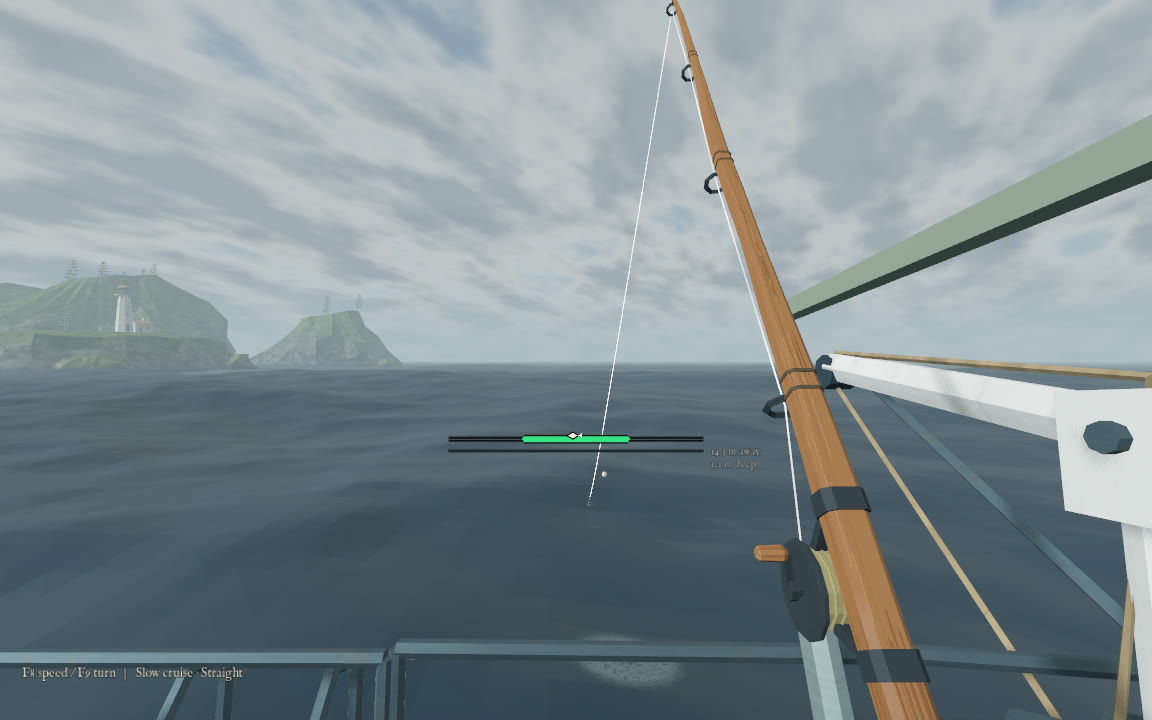
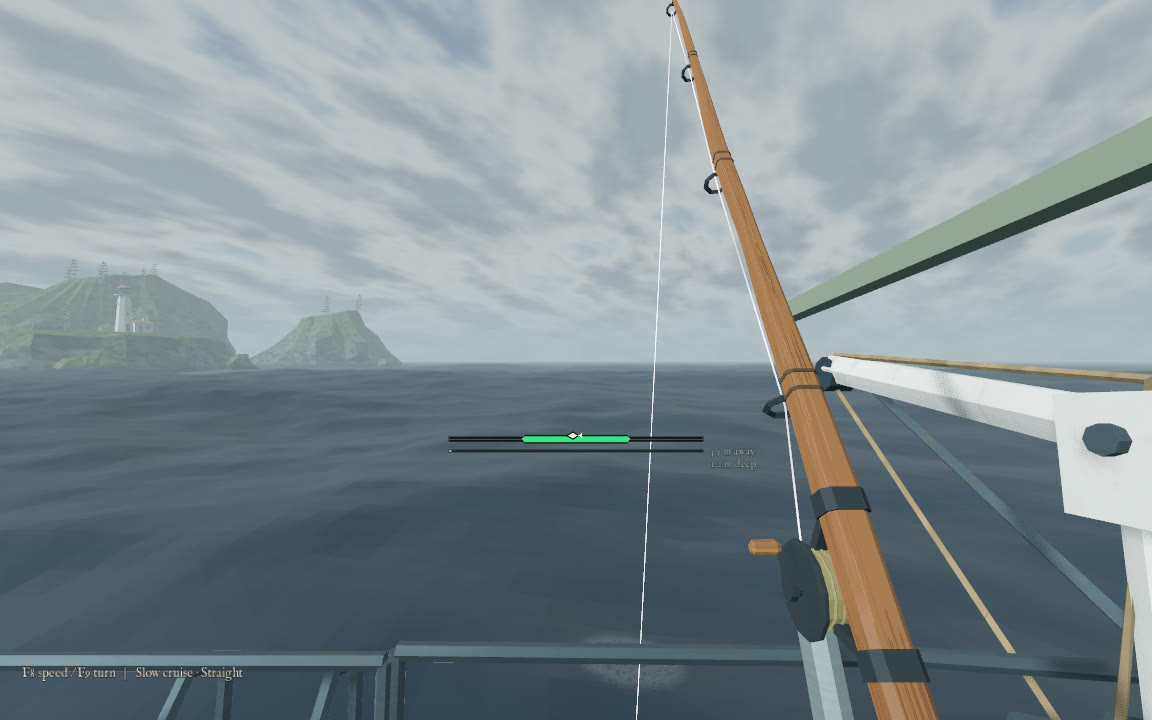
The tracking bar has been through more versions than anything else on screen. It got slimmer and moved up toward the middle of the screen, where your eyes already are. It picked up a little momentum, so the window glides after you let go and an opposite click brakes it. Then it was stripped back to the bar and a small fish icon, with no strain gauge and only a tiny distance readout beside it.
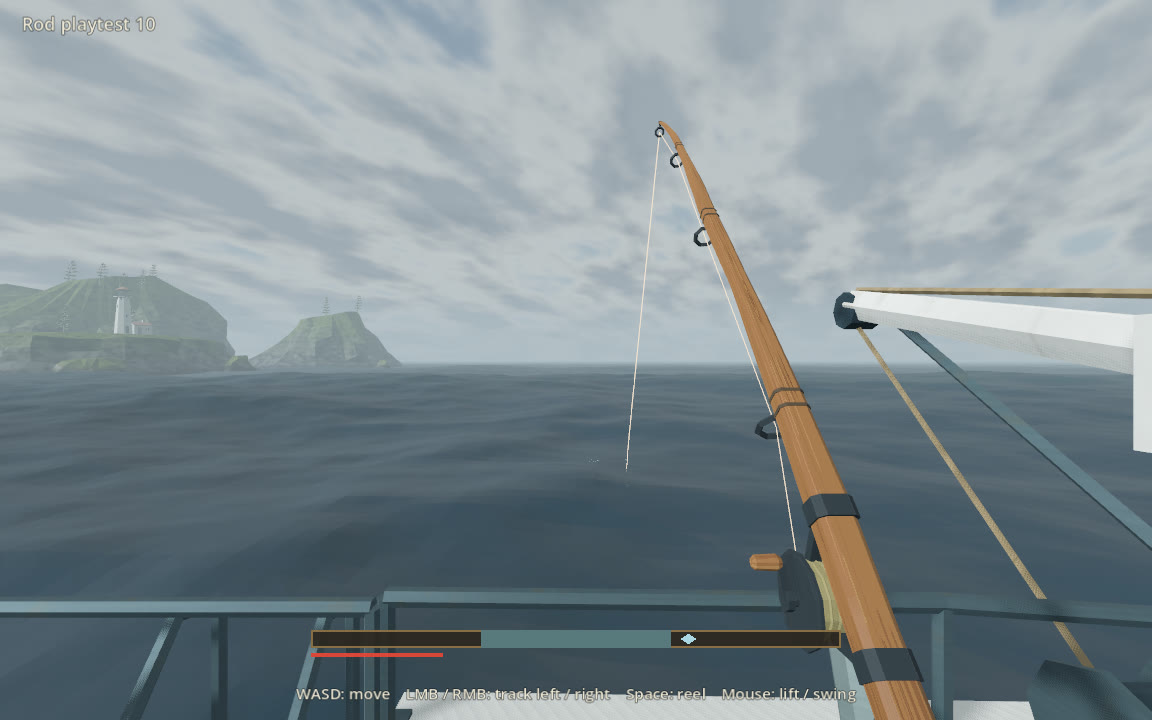
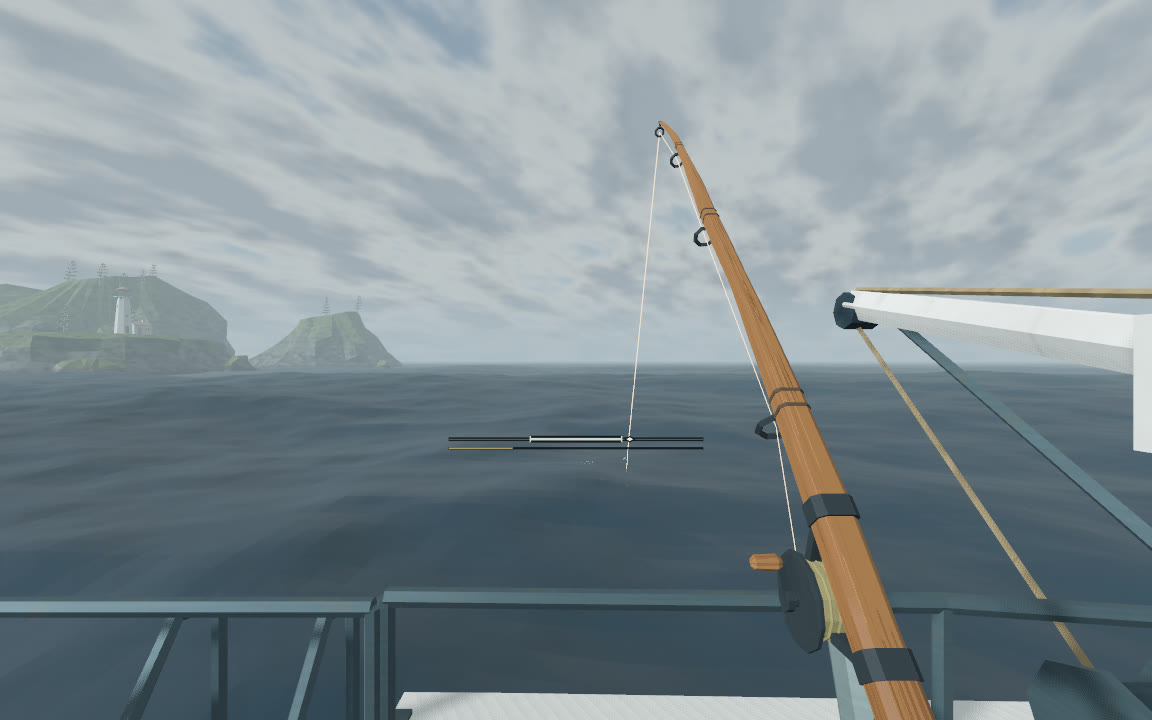
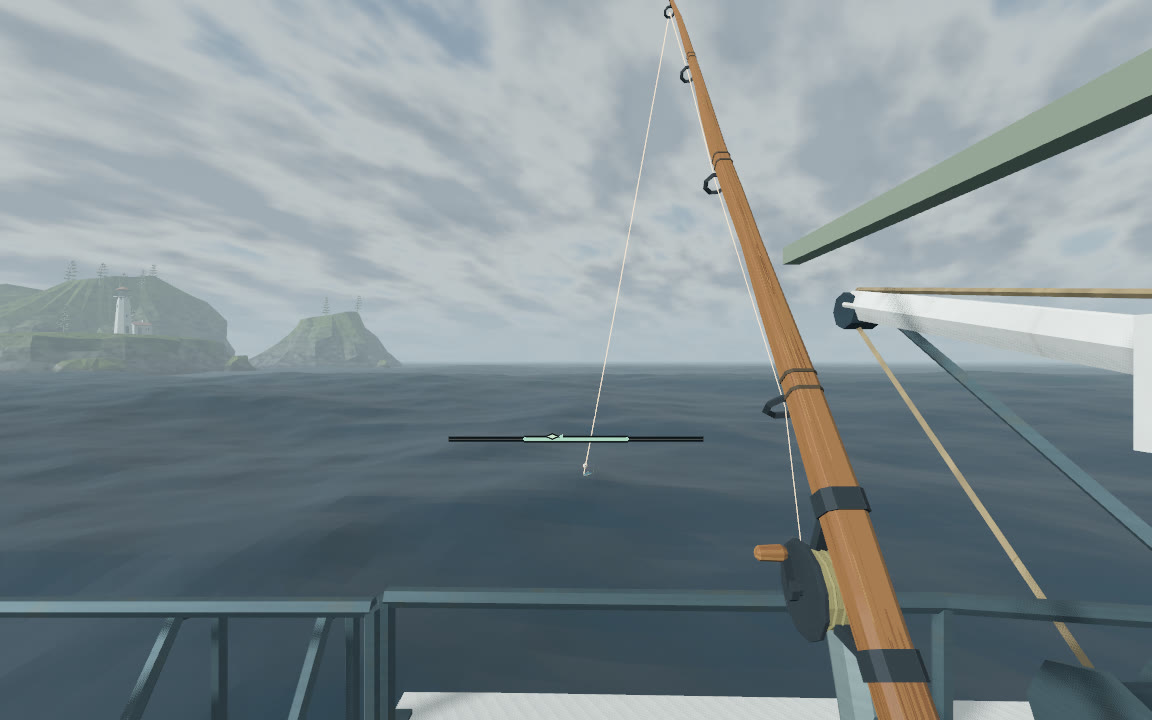
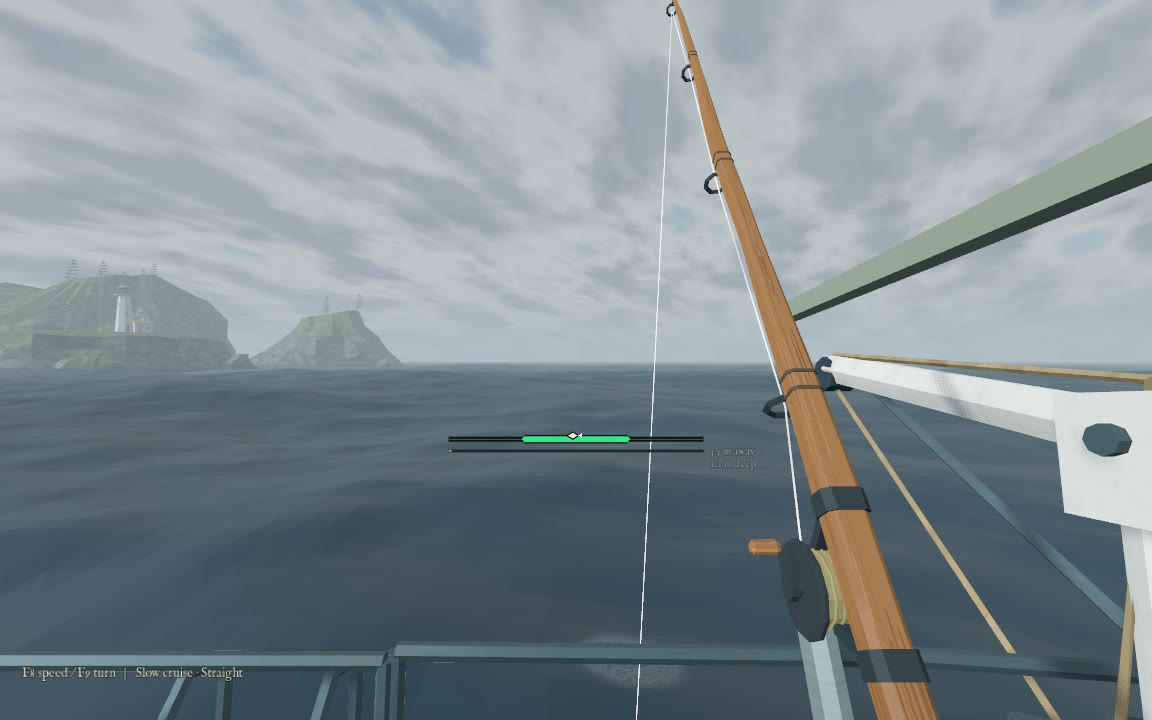
Strain went onto the line itself. It now tints from pale pink through red to dark red as it gets closer to snapping, and a big fish that is pulling hard but safely keeps a faint pink so you can tell the difference between working against a fish and being about to lose it.
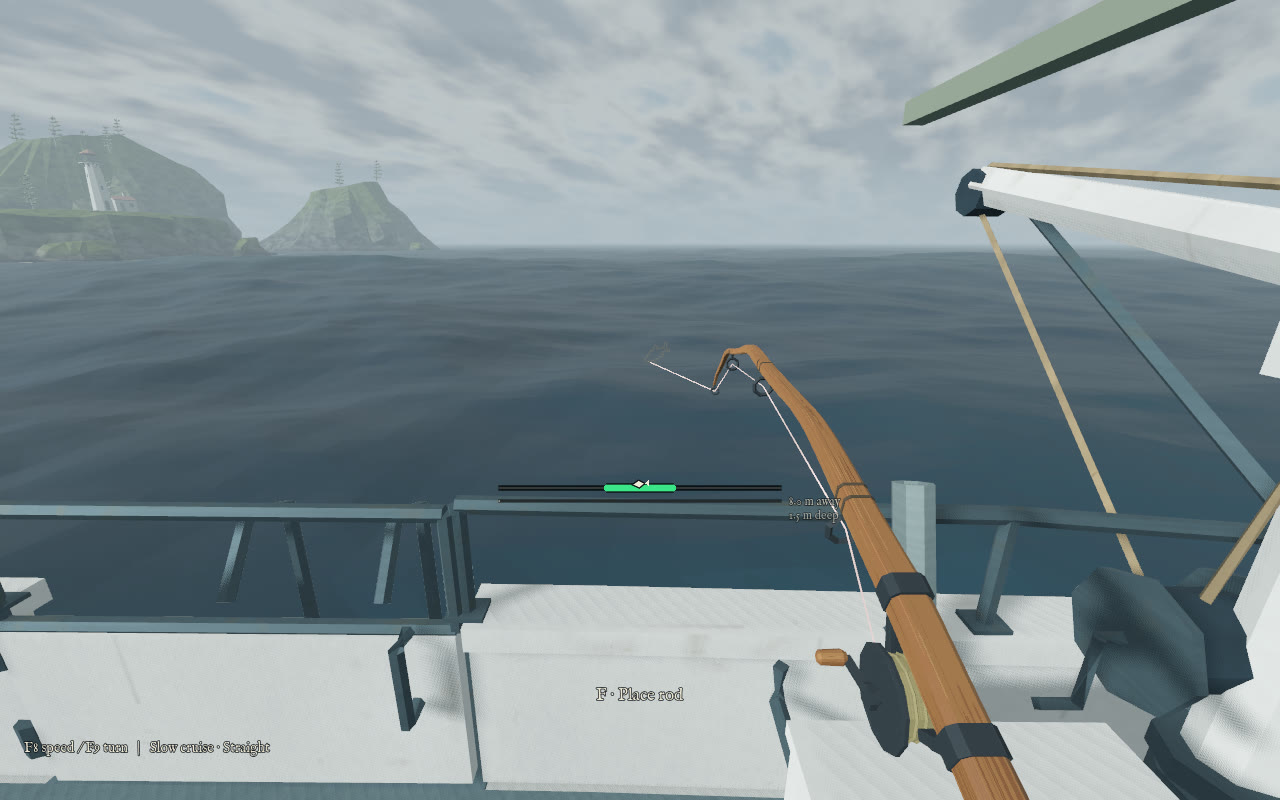
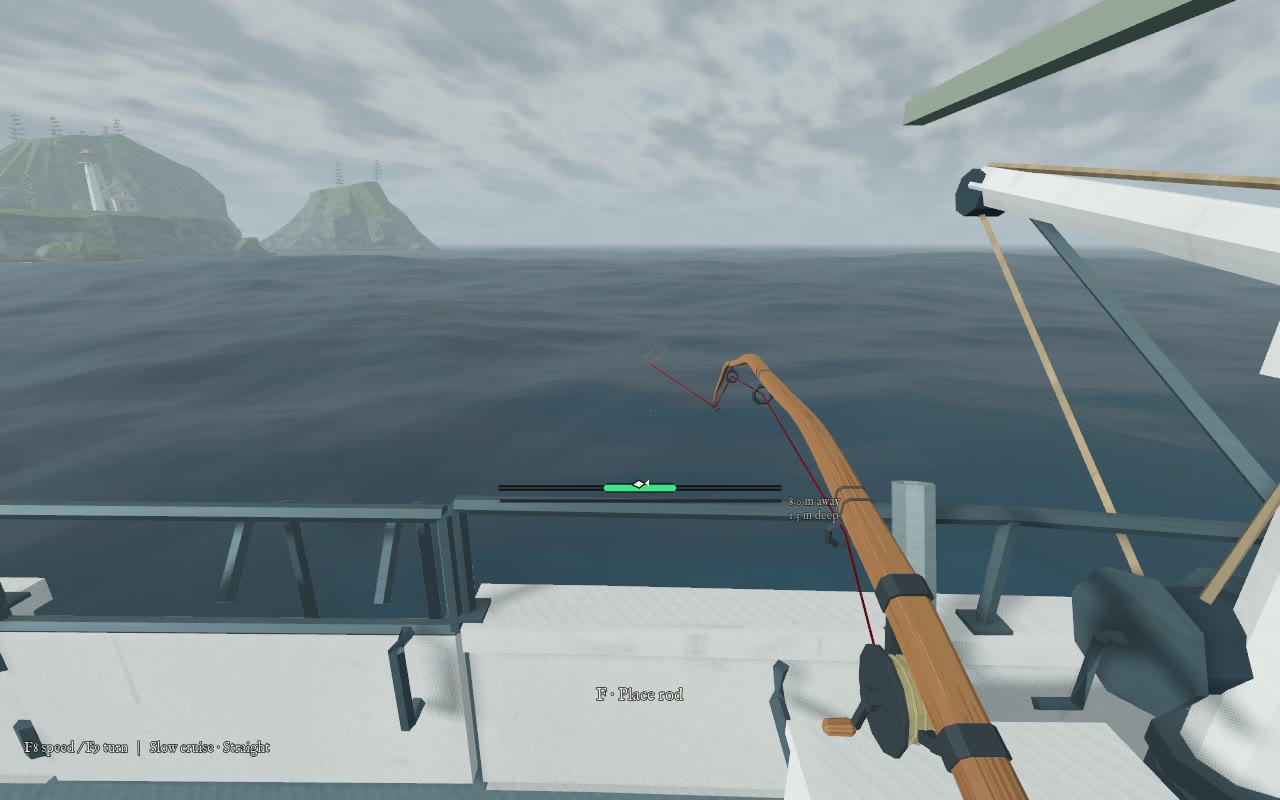
Here’s the same moment of a fight across the builds, from the first prototype to now.
Fish that fight back
Until this point every fish fought more or less the same way. The next studies gave the six species their own personalities. Mackerel dart and change direction constantly, snapper pull in slower, firmer pulses, halibut are deep and heavy, tuna make long committed runs with a narrower window, mahi-mahi burst wide and reverse, and pompano zigzag gently and forgive mistakes. The fight sounds were replaced with recorded ones, then made much quieter and positional, so they come from where the fish actually is.
Then the fish started pulling on you rather than just on the rod. A strong run drags you toward the rail, walking against it slows you down, and easing off the reel lets you take ground back. A big enough tuna can pull you over the side, at which point you’re in the water, still attached to the fish, and swimming back to the boat.
The roster grew to thirteen species after that, from little gizzard shad to hammerheads and barracuda, and later studies added depth (the mouse wheel sets how deep the hook sits, and different fish prefer different depths) and live bait: catch a shad, keep it in a bucket, put it on the hook, and the bigger predators come for it.
Heavy fish
A mackerel comes over the rail on the rod easily, but a yellowfin can’t, and a lot of builds went into what happens when the fish outweighs your tackle. The rod handles small fish, a gaff takes anything up to about twenty kilos, and above that there’s a hoist. To use them you work the fish alongside, park your rod in a holder, pick up the gaff and hook the fish with it, while the same physical fish stays on the line the whole way through.
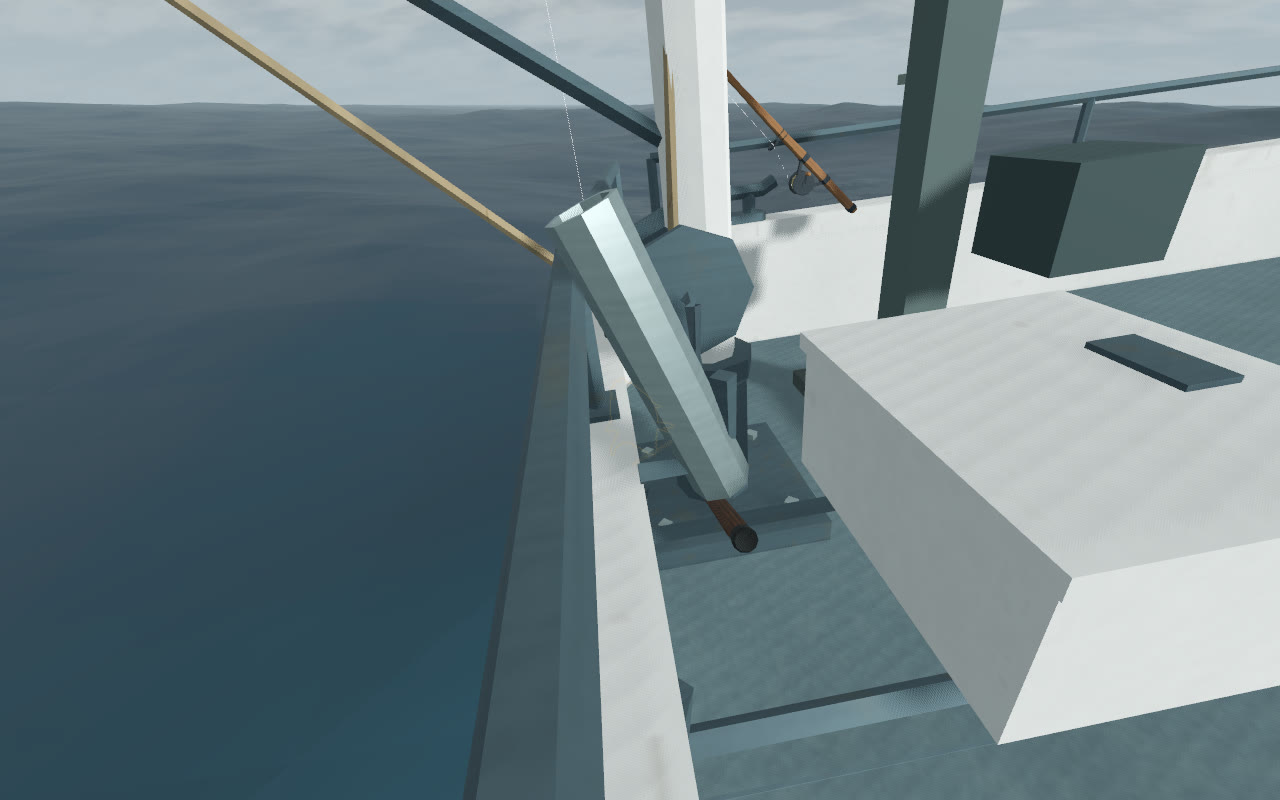
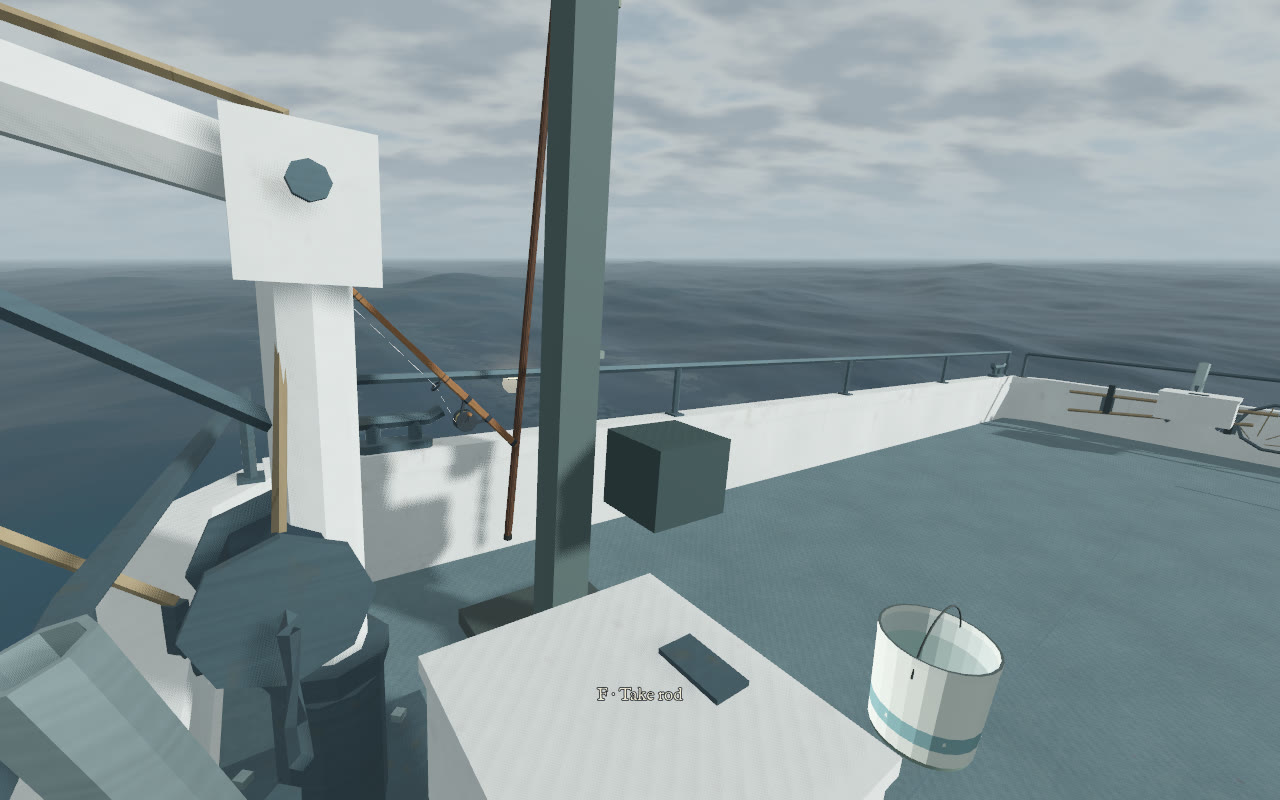
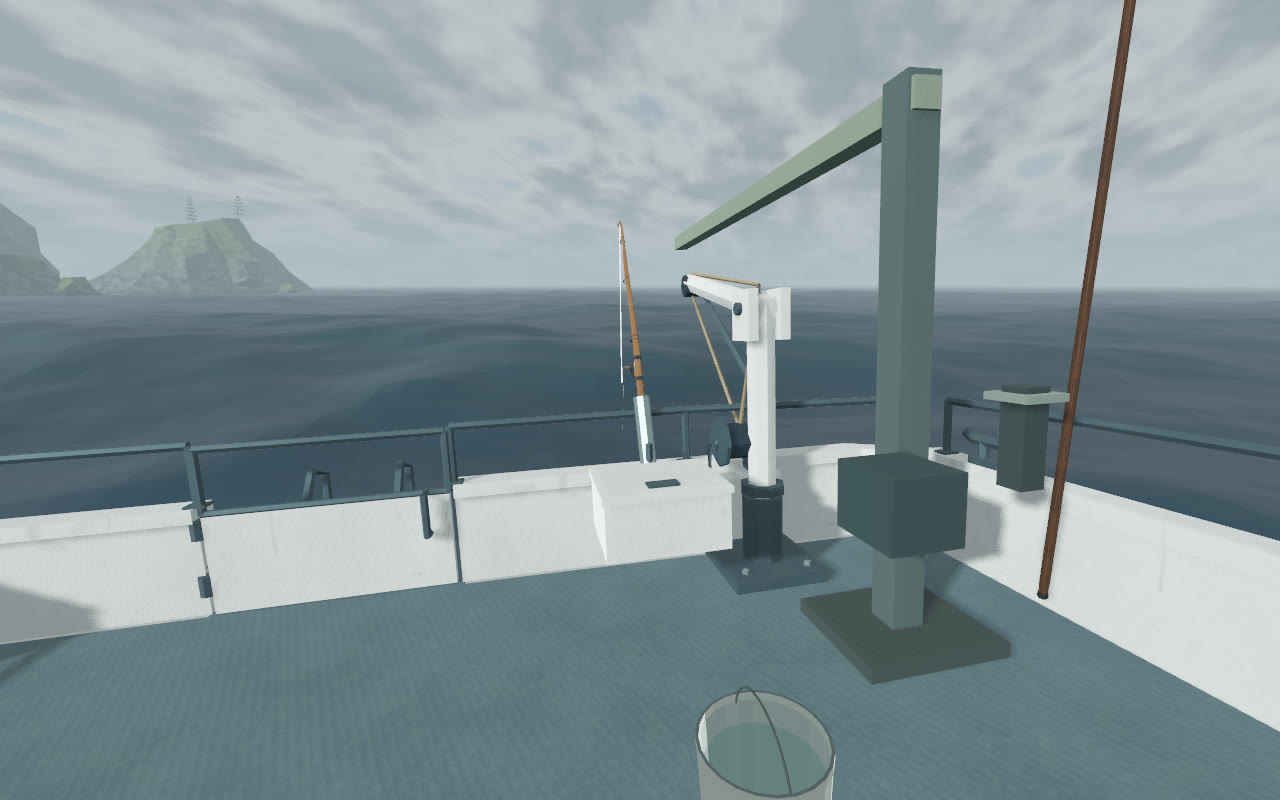
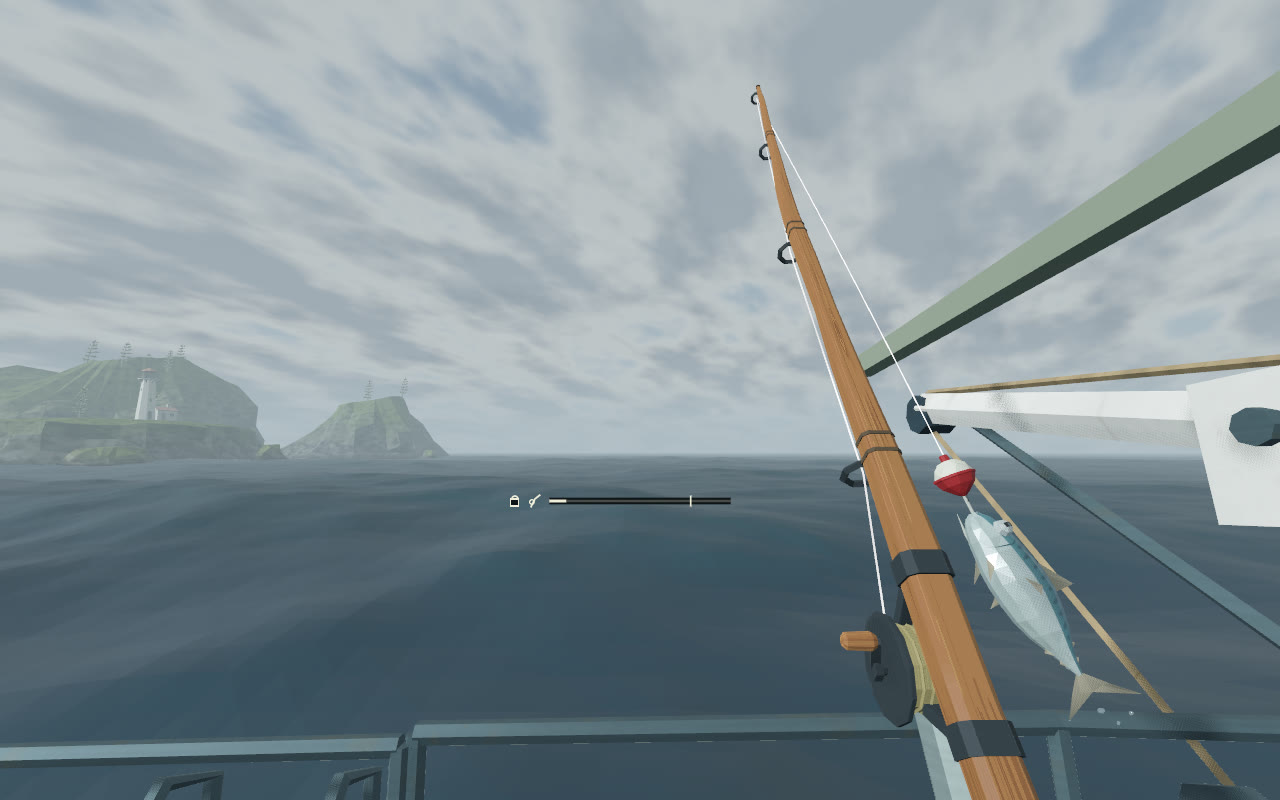
The rod holders turned out to be useful well beyond landing big fish. There are six on the boat, and a parked rod keeps fishing, so you can cast, set the rod down and walk off to do something else. When something bites, the rod bends and the reel chatters, and you have a few seconds to get back and strike.
Getting the heavy fish right meant fixing a lot of things that only showed up with weight on the line. A big fish could go limp as soon as the fight turned into landing; the reel could keep winding in line behind a fish that wasn’t moving; and the lifting bar sometimes disagreed with whether you could actually get the fish out. The current version is stricter and more honest: the rod gives toward a fish it can’t lift, holding the middle mouse button locks the reel for when you need to hold your ground, and the lifting bar tells you before you try whether the tool in your hands can bring this fish clear of the water.
Fishing underway
Most of these studies had the boat sitting still, which is not how anyone actually fishes. Once the boat could keep moving, fights changed completely. Fights underway were hard to win at first, so fish now yield to gentle pressure and follow the boat before taking line, while fresh, powerful runs still take it. Casting also stopped being tied to a fishing station. You can cast from anywhere on deck, including the upper deck and the bow, as long as nothing’s in the way; casting into a wall indoors just fails cleanly.
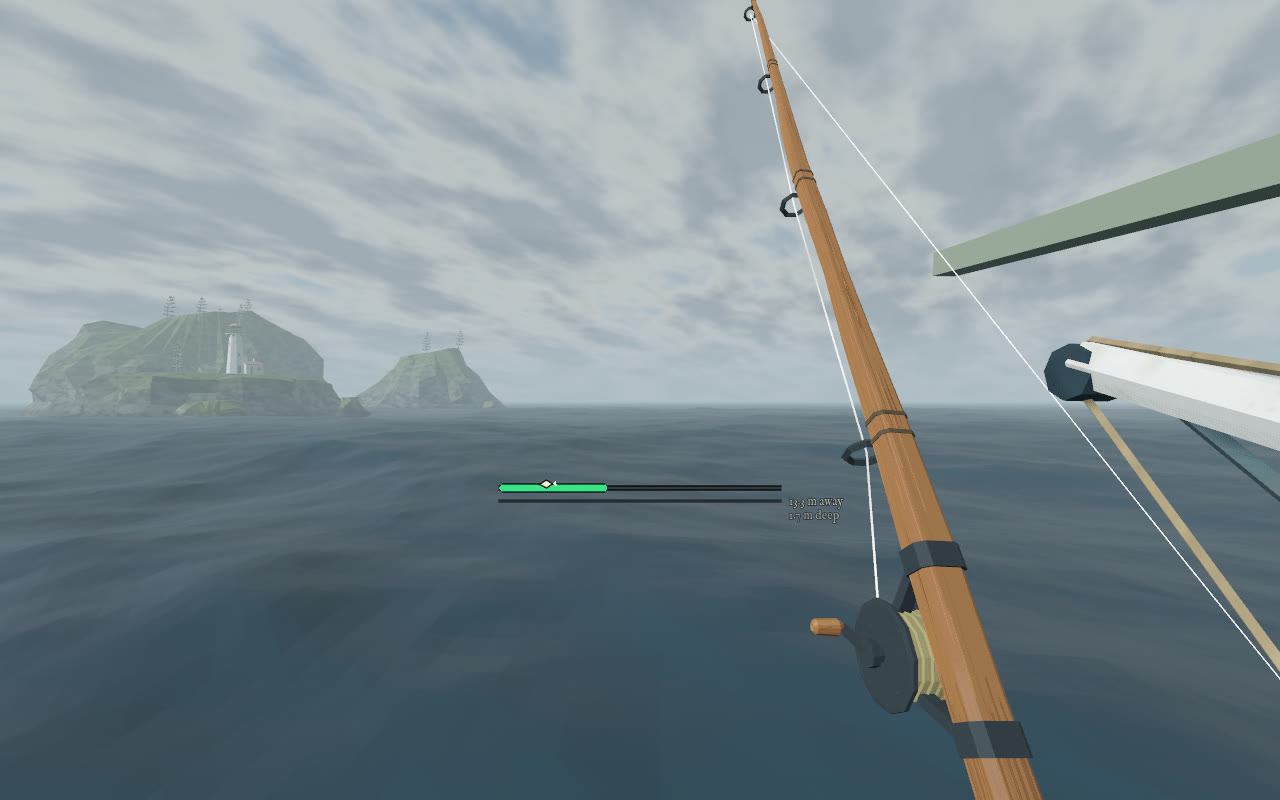
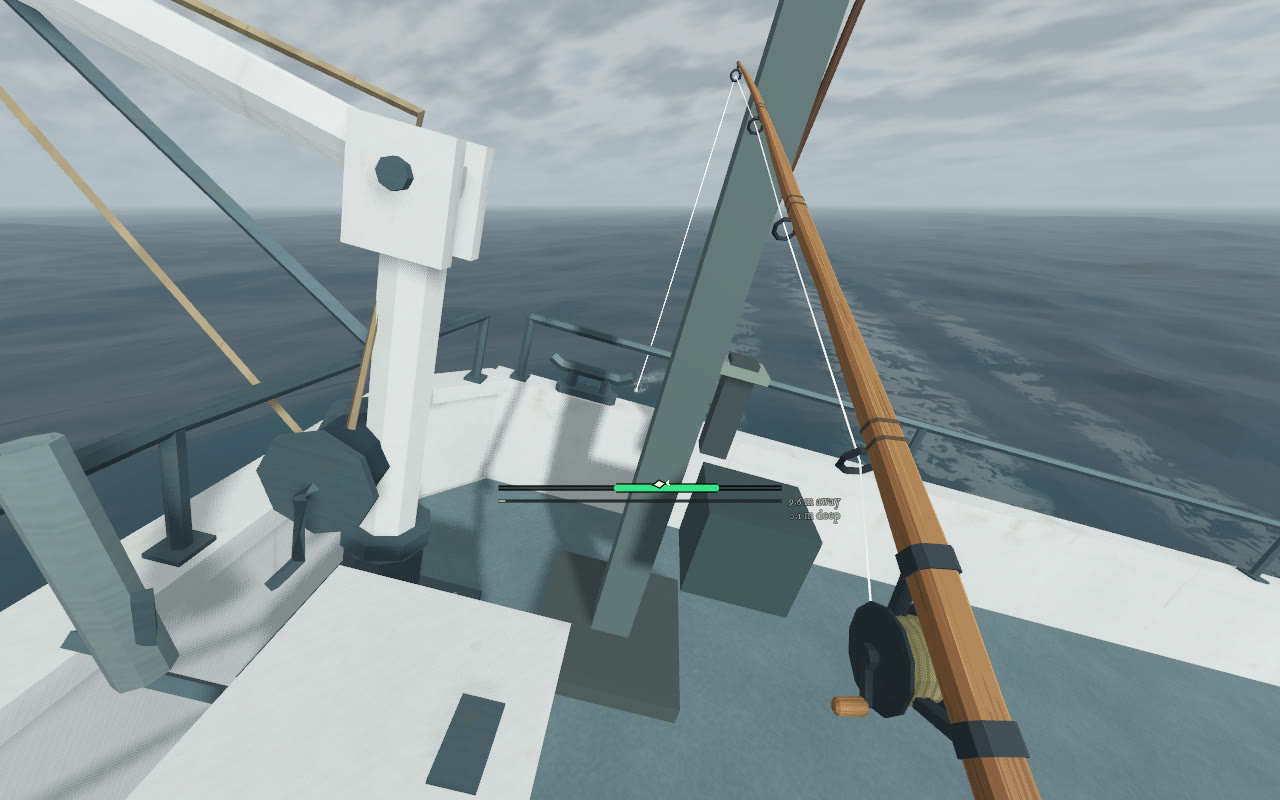
Small things
A lot of the later builds were small corrections that you mostly feel rather than see. The bar coasts a little longer after you let go. The rod bends noticeably more under a heavy sideways load. A hooked fish gets a thin golden outline when it’s deep, so you can follow it under the boat. Line that comes out of the water drips, the reel’s clicks follow how much line is actually moving, and a landed fish leaves water and blood on the deck.
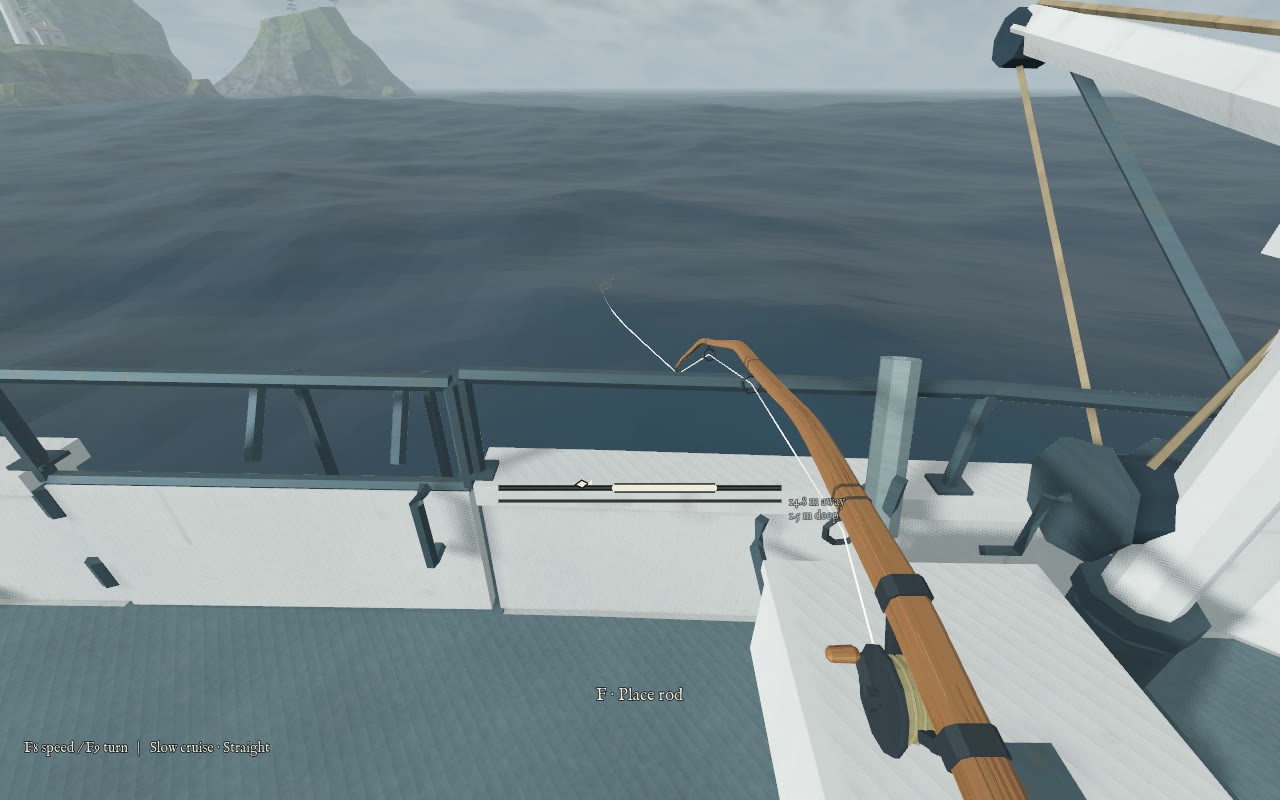
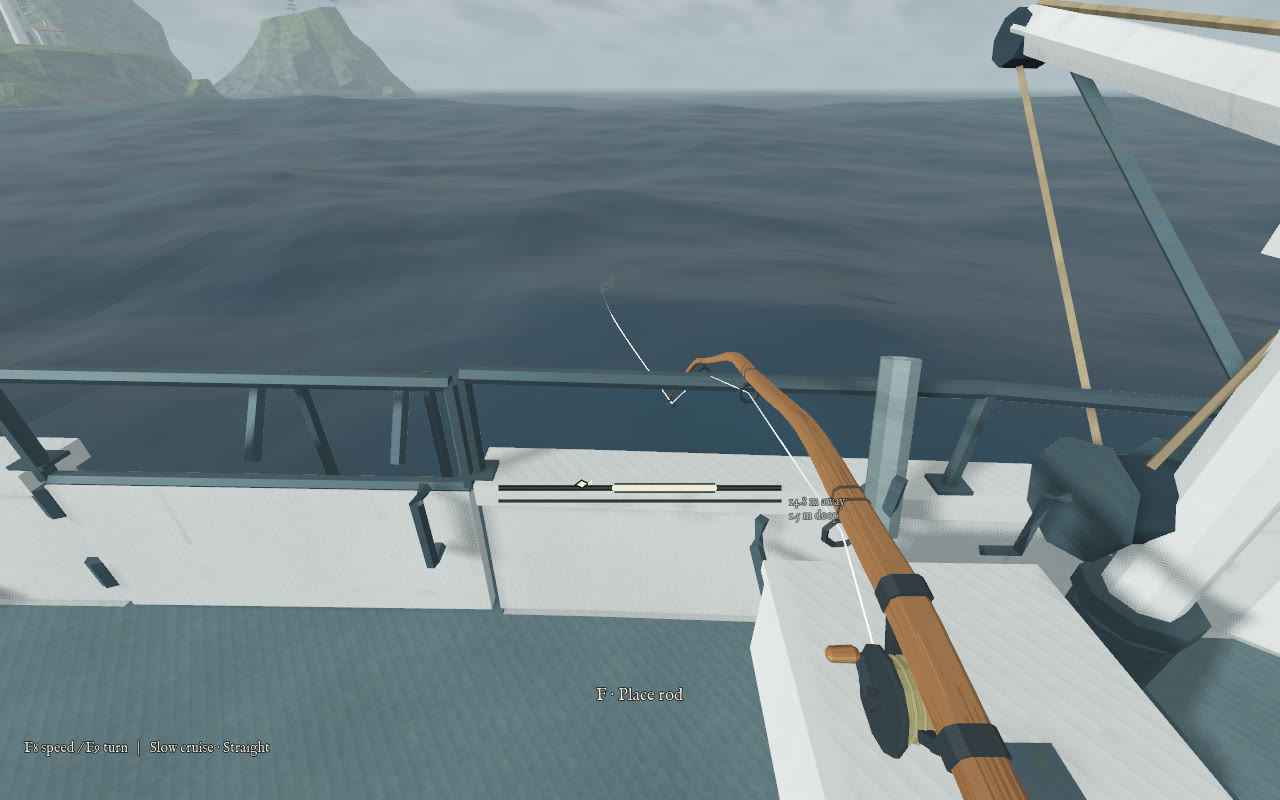
Casting got rebuilt near the end. Holding the button draws the rod back over about three seconds, releasing throws, and the tackle flies under its own weight with real line paying out behind it, so a full cast lands somewhere in the mid thirties of metres and a quick tap drops it a few metres off the side.
Into the game
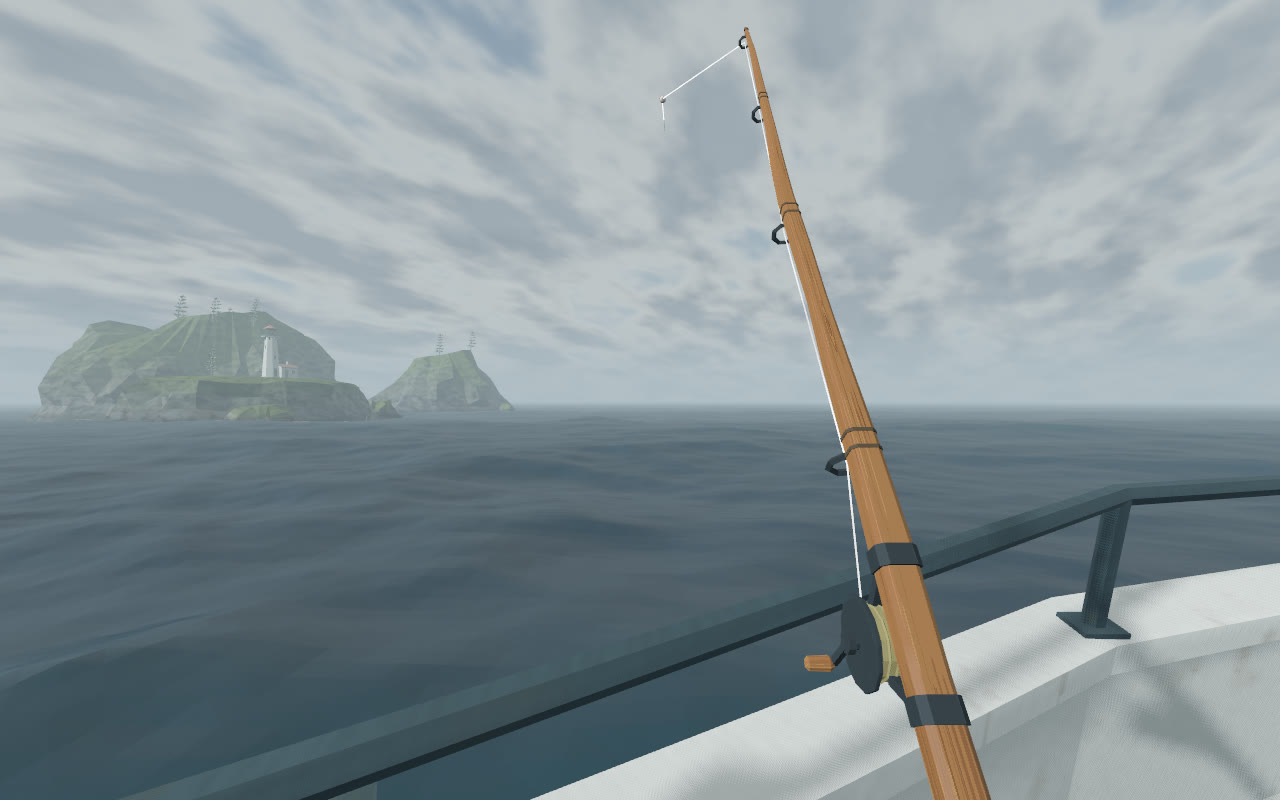
The latest study is now in the main game, on the big boat with the rest of the crew. Rods park in shared holders that anyone can pick up, and the gaff works on a fish that is still on someone else’s line, which is exactly the kind of thing you can only test with friends.
Every one of these studies was played by one person at a time, so the next round of changes will come from fishing it together.